Farmers’ group calls for wolves to be shot to control numbers
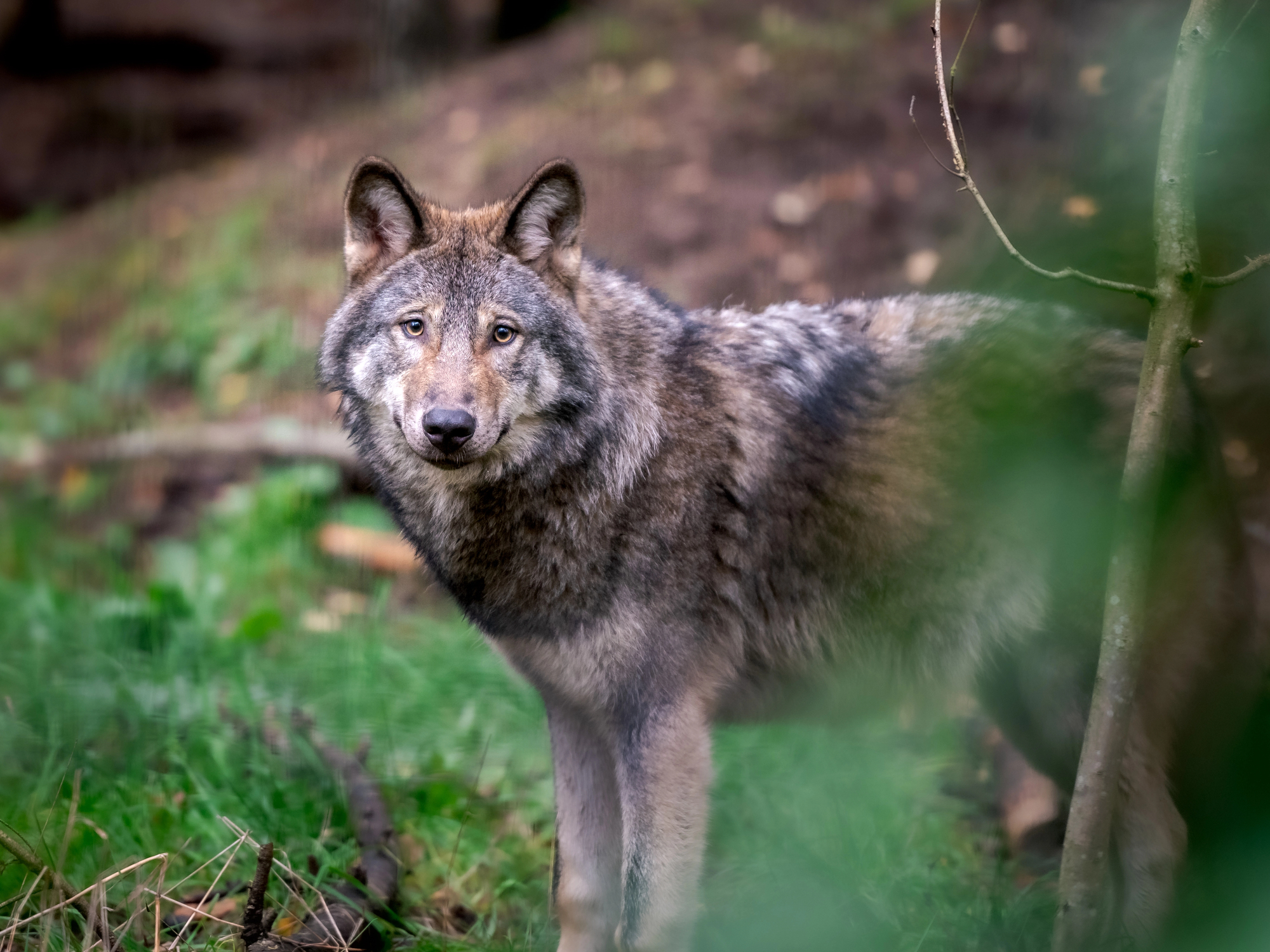
Farmers’ organisation LTO has called for a limited number of wolves to be shot during the hunting season amid concern about rising numbers of attacks on livestock.
The LTO said the Netherlands should follow the example of Germany, where hunters are allowed to fire at wolves between July 1 and October 31, after the European Union downgraded the animal’s protected status last year.
The organisation logged 888 attacks on sheep, goats, cows and horses last year, a figure that has grown every year since 2020.
Wolves returned to the Netherlands in 2015 after an absence of more than a century and there are now estimated to be more than 100 creatures living in 14 packs across the country.
“The wolf is a predator, not a cuddly animal,” LTO Noord chairman Dirk Bruins told AD.nl. “We’re seeing dozens of sheep with fatal bites at the same time. Children no longer dare to cycle to school.
“One cattle farmer near here sees four wolves behind his shed almost every day. These aren’t incidents: it’s a fundamental problem,” said Bruins, who is a dairy farmer in Drenthe.
Recently approved changes to the law in Germany allows up to 300 wolves to be shot dead per year, out of a total population of 1600, in densely populated regions.
However, in the Netherlands, researchers at Wageningen university said the numbers should be allowed to keep growing to between 23 and 56 packs to establish a “healthy” wolf population.
Problem wolves
Last December an animal designated a ”problem wolf” was shot dead by hunters in Utrecht under licence from the provincial government, which granted permission after the wolf, known as Bram, attacked a woman and a child.
Jean Rummenie, junior agriculture minister in the last government for the farmers’ party BBB, wanted to expand the definition of “problem wolves” so that the animals could be shot if they attacked fenced-in cattle more than twice, but the plan was overruled in a judgment by the Council of State.
Bruins disputed that wolves could exist as part of a balanced ecosystem in the densely populated Netherlands.
“If the wolves only lived on wild animals their numbers would never grow so fast,” he said. “Wolves go for the easiest prey, which is not an adult deer in the bloom of its life, but a tame sheep. So the population grows much faster than in a purely wild ecosystem.”
Thank you for donating to DutchNews.nl.
We could not provide the Dutch News service, and keep it free of charge, without the generous support of our readers. Your donations allow us to report on issues you tell us matter, and provide you with a summary of the most important Dutch news each day.
Make a donation