Economists tell Dutch not to provide €2b subsidy to Tata Steel
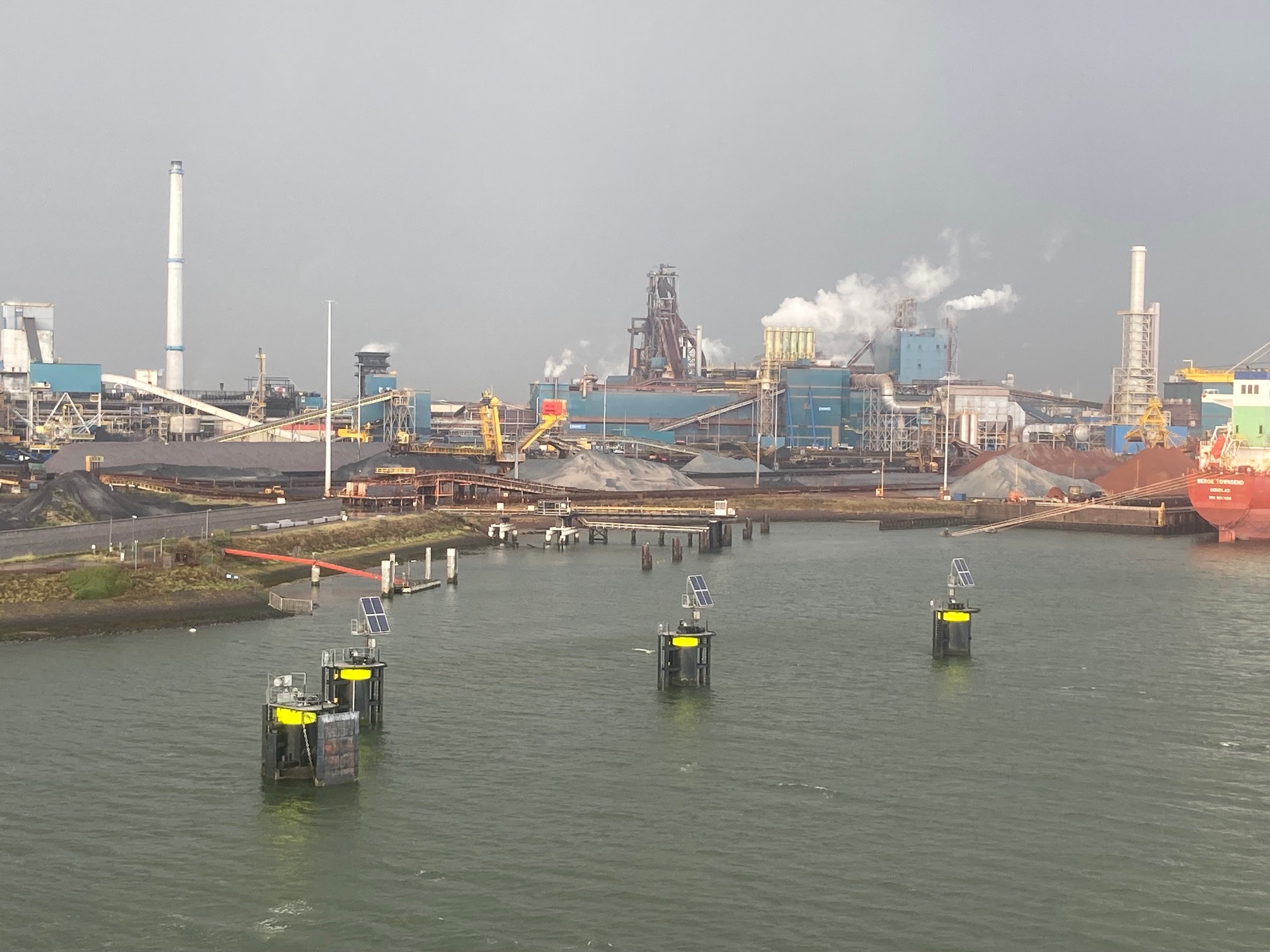
A group of 117 economists have warned the Dutch government not to provide billions of euros in subsidies to Tata Steel Nederland, saying the planned support would be “economically inefficient and risky”.
The economists, including more than 80 professors, outlined their concerns in a letter to climate minister Stientje van Veldhoven and MPs. The letter, published by economics journal ESB, comes just as MPs prepare to debate the government’s talks with the steelmaker.
The government has been negotiating with Tata Steel about a possible support package of up to €2 billion to help the company cut emissions at its IJmuiden plant. Tata wants to replace some of its most polluting installations with cleaner technology by 2030.
But the economists argue that scarce public resources should be used more effectively. Tata Steel already places a heavy burden on “financial resources, physical space, environmental capacity, scarce sustainable energy and the electricity grid,” they wrote.
According to the group, subsidising the company risks crowding out investments in industries that could deliver greater economic and social benefits. It could also slow innovation and discourage new businesses from entering the market.
They also question whether the company can remain competitive in the Netherlands, where energy costs are higher than in neighbouring countries. “Without structural profitability, Tata Steel risks returning for additional public support whenever it faces setbacks,” the economists said.
Last year, two expert groups appointed by the cabinet warned there are still “insufficient guarantees for health improvements” from the switch to cleaner energy, and say the plans lack clear targets for cutting toxic substances and ultrafine pollution particles.
The groups, which include doctors, professors and legal experts, also highlighted the long-running mistrust in the region, where public health council research has linked the factory to shorter lifespans and more illness.
“This distrust is fuelled by years of broken promises and permit violations,” the report said. The advisers want firm deadlines, including an earlier closure of a controversial coke-fired plant, which under current plans will stay open until at least 2029.
Thank you for donating to DutchNews.nl.
We could not provide the Dutch News service, and keep it free of charge, without the generous support of our readers. Your donations allow us to report on issues you tell us matter, and provide you with a summary of the most important Dutch news each day.
Make a donation