Dutch gas reserves reach 10 year low, EU says start refilling
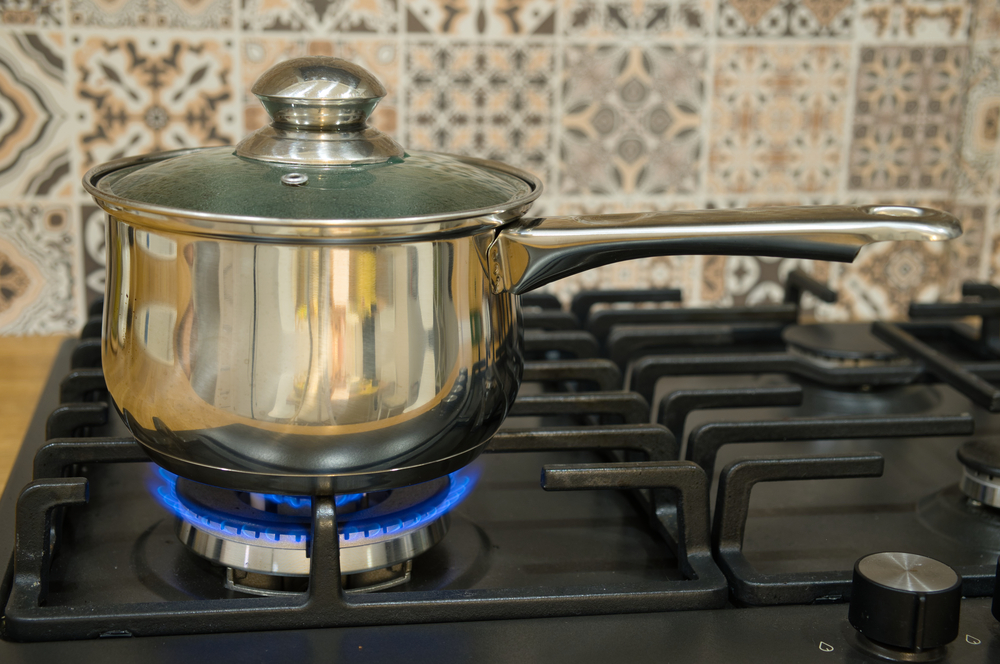
The Netherlands’ underground gas storage locations are just 5.8% full, their lowest level in 10 years, according to gas grid management company Gasunie, which monitors Dutch reserves.
Earlier this week, European energy commissioner Dan Jørgensen urged EU countries to begin refilling their gas reserves earlier than usual to avoid last-minute pressure and price spikes.
Supplies have been affected by the war in Iran and delays to deliveries via the Strait of Hormuz, which have led to uncertainty on global gas markets and fluctuating prices.
However, according to Gasunie, there is no reason to panic. The gas reserves are for next winter and the season to refill them is now approaching, a spokeswoman told the AD.
“Supplies to the Netherlands are stable,” she said. “There is no disruption to our LNG terminals and gas is still coming in through pipelines. So the availability of gas is as it should be.”
Some 78% of the energy used in the Netherlands in 2024 came from abroad, said René Kleijn, professor of industrial ecology at Leiden University.
“Only a small share of the oil and gas we use in the Netherlands passes through the Strait of Hormuz,” he told the university website.
“But because oil and gas are traded on a global market, prices here also shoot up. A relatively small country like the Netherlands cannot solve this vulnerability on its own and we really need a European approach.”
The Netherlands has become less dependent on Russian gas since the invasion of Ukraine, partly by importing liquefied natural gas from other countries, especially the US — although US president Donald Trump has also threatened to halt exports to the EU.
Self-sufficiency
“To build a truly robust energy system, we need to use energy much more efficiently and generate far more ourselves, for example by building more large offshore wind farms,” Kleijn said. “We also need to work towards a genuinely European energy system with far more connections between countries than we have now.”
According to Aurora Energy Research in the Financieele Dagblad on Wednesday, the Netherlands will be affected by fluctuations in the gas price, and the knock-on impact on the cost of electricity, until at least 2030.
By then, more investment in batteries and green energy production will allow electricity prices to stabilise, the agency said.
Thank you for donating to DutchNews.nl.
We could not provide the Dutch News service, and keep it free of charge, without the generous support of our readers. Your donations allow us to report on issues you tell us matter, and provide you with a summary of the most important Dutch news each day.
Make a donation