Wine Watch: Port to banish those February blues
Vicky Hampton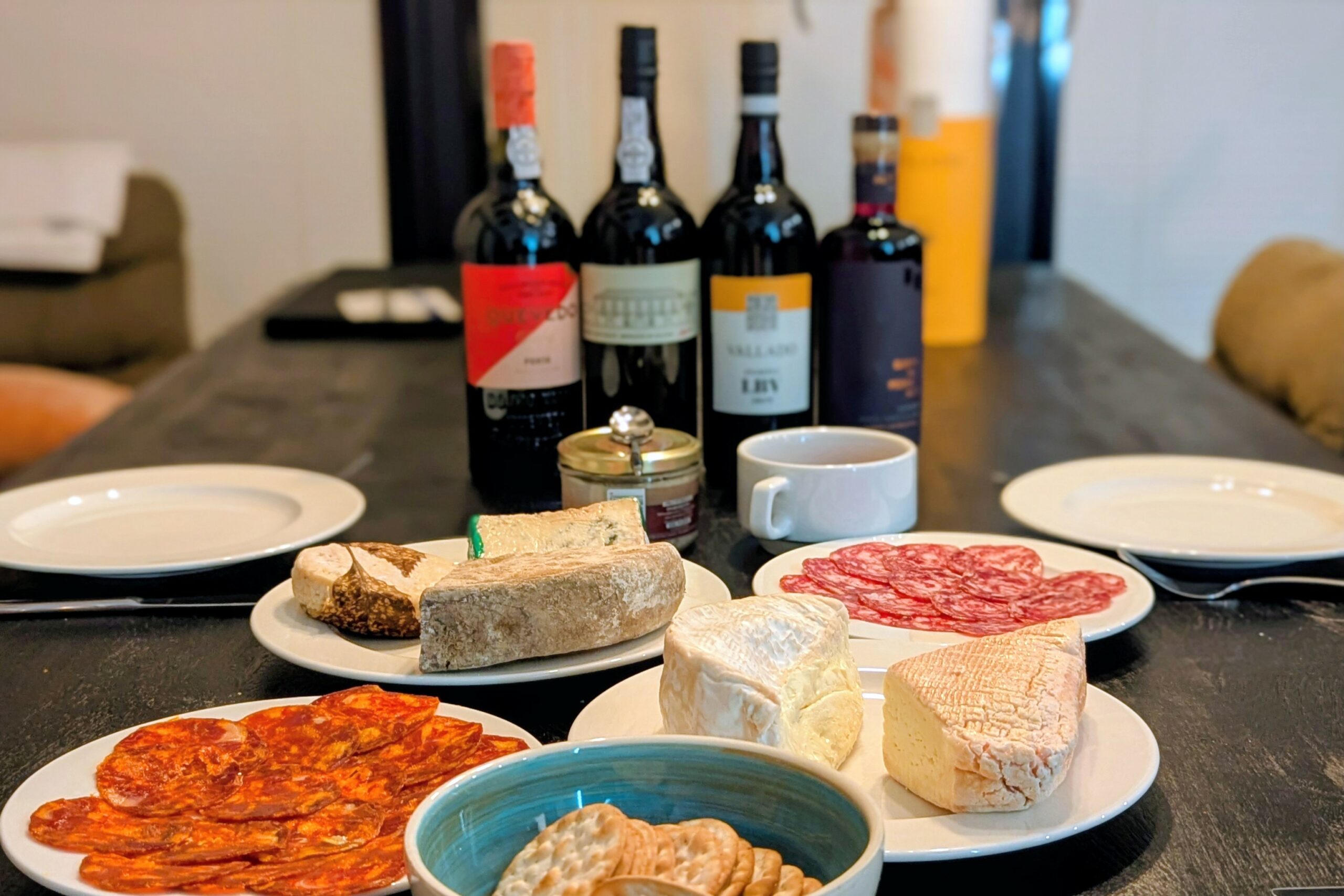
Each month, our resident wine expert, Vicky Hampton, shares her seasonal wine picks for those on a budget and those with a little more cash to splash. February’s tipple of choice is port – whether bold, bright ruby or caramel-hued tawny. Surely the perfect antidote to the most miserable of months?
I probably said this last year, but February is my nemesis. By now, the relentless dark, cold dampness of Dutch winter is so ingrained that it’s hard to remember what spring even feels like. My bank balance has still not recovered from the festive season, and just when things couldn’t get any bleaker the annual tax bill arrives from the gemeente. There’s only one way to get through it: hunker down indoors with good food, good wine and good friends.
My top tip for you this February is port: it’s sweet and boozy enough to feel warming on even the coldest of days. And it demands only simple food that requires the minimum of effort: a cheese board, perhaps some charcuterie or nuts, with dried fruit and dark chocolate to finish. A perfect wintry evening at home.
Before we pour: a few port basics
All port comes from the Douro Valley in northern Portugal, which is searingly hot in summer and bitterly cold in winter (I can attest to this, having witnessed the mercury moving from -1 to 29 degrees Celsius in less than a week in early April). To be more precise, the grapes are grown in the Douro Valley, where the winemaking process also takes place. But while today many producers also age their wines in the Douro itself, traditionally port was matured closer to the coast in Porto (or Vila Nova de Gaia) to benefit from cooling Atlantic breezes.
Most ports use key Portuguese red grape varieties like Touriga Nacional, Touriga Franca, Tinta Roriz (which is Tempranillo in Spain), Tinta Barroca and Tinta Cão, but dozens more are permitted – Portugal is home to an unholy number of native varieties.
The grapes are pressed, crushed and fermented just like a red wine – but the fermentation is stopped after a day or so when only part of the sugars have converted to alcohol, leaving a lot of residual sugar in the wine. At that point, a high-proof grape spirit known as aguardente is added, which fortifies the wine to the 19-20% alcohol levels you generally find in port.
If we leave aside white and rosé ports for now, there are two main families of port:
- Ruby-based styles that tend to be fruit-focused and undergo minimal oxidisation; and
- Tawny-based styles that undergo oxidative ageing to produce paler wines with nutty, caramel flavours.
Within those two families, there are lots of sub-categories – some of which we’ll come back to when we get into this month’s recommendations. But from a port newbie perspective, it’s useful to try both styles to see which you prefer.
Whatever your port preference, you’re likely to come across a few big names everywhere you look: Dow’s, Taylor’s, Graham’s, Croft – some or all of these might ring a bell. But there are hundreds of other lesser-known port producers, many of which offer better value or a more interesting end product. That’s why I’ve chosen to focus on some slightly more off-the-beaten-path port producers in my picks.
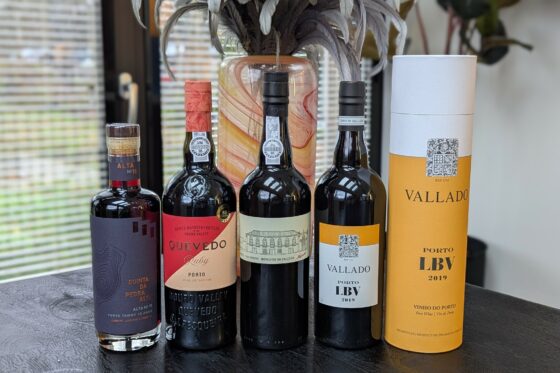
Best budget bottle: Quevedo Ruby (€9.29 from Jumbo, supermarkets nationwide)
If you’re looking to spend under €10 a bottle, a simple, entry-level ruby port is the best place to start. Quevedo’s Ruby is minimally aged in large, stainless steel tanks, keeping the fruit profile fresh and youthful. The result is bright, vibrant and plummy – nothing complex, but a sweetly fruity, reliably easy-drinking port at a wallet-friendly price. Drink this lightly chilled by itself, or pair that sweetness with something salty and savoury like prosciutto or jamón.
Magnificent mid-range: Morgadia da Calçada Ruby Reserve (€17.95 from Bosman Wijnkopers, The Hague)
I’ve made quite a leap this month from budget to mid-range, but I really think it’s worth the extra €8 if you can afford it. In comparison with the first port above, Ruby Reserve spends longer ageing in large vats, allowing it to gain complexity while still avoiding oxidation. Producers also use a more selective blend of higher-quality base wines, resulting in deeper fruit, more structure and a smoother, more refined style than standard ruby.
Morgadia da Calçada’s Ruby Reserve is rich and spicy, structured and elegant: deep black cherry meets chilli-spiked dark chocolate (which, incidentally, would make a great pairing with this port). It’s a significant step-up from basic supermarket ports, and this particular Ruby Reserve was so good it could almost pass for an LBV.
Special ruby: Quinta do Vallado LBV 2019 (€24.95 from Bosman Wijnkopers, The Hague)
LBV stands for Late Bottled Vintage, and it tends to be my go-to when I’m looking for a special ruby port. All the grapes come from a single vintage, and the port spends 4+ years ageing in large oak vats before being bottled ready for release. It’s more approachable (not to mention more affordable) than Vintage Port, and it makes a fantastic accompaniment to a cheese board.
My LBV pick comes from Quinta do Vallado – one of the oldest estates in the Douro Valley. Its aromas are highly concentrated, featuring dried fruit like prunes and figs, as well as the sweet smoke of tobacco. On the palate, you’ll find some firm, red-wine-like tannins, which are probably what makes this LBV such a great match for cheese.
Special tawny: Quinta da Pedra Alta 10-year Tawny (€28.99 from Grapedistrict, stores nationwide)
Don’t be fooled by cheap tawny ports: their colour comes from blending paler wines, not from oxidative ageing per se. It’s only when tawnies have spent 10 or more years ageing in small oak barrels (known as pipes) that you really start to see that characteristic amber colour and nutty caramel flavours. And the longer the ageing process, the more intense the effect (if you ever get the opportunity to taste a tawny that’s 40 years old, take it – provided someone else is paying!).
Quinta da Pedra Alta’s Tawny is aged for 10 years in oak, making it still relatively young and fresh in tawny terms, but already showing some oxidative character. Think walnuts and coffee, dates and figs, and a luscious butterscotch finish. All the elements of a delicious dessert wine.
For more of Vicky’s wine recommendations and grape explorations, follow @TrufflesandTannins on Instagram or subscribe to The Wine Edit on Substack
Thank you for donating to DutchNews.nl.
We could not provide the Dutch News service, and keep it free of charge, without the generous support of our readers. Your donations allow us to report on issues you tell us matter, and provide you with a summary of the most important Dutch news each day.
Make a donation