Fewer babies admitted to intensive care because of RSV jab
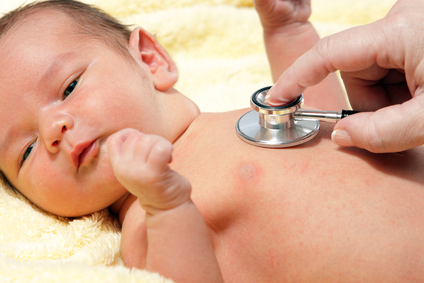
The number of babies admitted to intensive care with respiratory syncytial virus (RSV) has fallen significantly largely due to the inclusion of the jab in the national immunisation programme last year, according to public health institute RIVM.
The number of very sick babies had gone down already by December last year, after the first round of jabs in September, but it was too early for a definitive conclusion as to its efficacy.
However, this year just 43 babies were admitted to intensive care, compared to 178 last year, the RIVM said.
The virus is still doing the rounds, the RIVM said, but the shot has already led to 75% fewer admissions, significantly reducing the pressure on IC departments. Prior to including the vaccine in national immunisation programme hospitals would be regularly overwhelmed by the number of very sick babies and forced to ask for help from hospitals across the border.
While relatively harmless in adults, the virus can lead to severe breathing problems and pneumonia in babies. Deaths in the Netherlands are rare, but after malaria, it is the second leading cause of death in babies in the world.
The RIVM advises parents to get the jab as soon as possible, preferably at two weeks old. That offers a six-month immunisation against the virus. Pregnant women can also get the jab.
This season babies born before the end of March can still get the jab. Babies born after that will have to wait until the start of the new RSV season which starts in September or October.
The high uptake of the shot shows parents are aware of the risk of the virus to newborns. “This is an illness that many parents have heard about, and we see that it worries them,” head of the national immunisation programme Jeanne-Marie Hament said.
While uptake of the RSV jab and the cervical cancer prevention shot HPV is encouraging, the number of children under the age of five being vaccinated in line with government recommendation continues to drop.
The children’s vaccination programme covers 13 infectious diseases.
Thank you for donating to DutchNews.nl.
We could not provide the Dutch News service, and keep it free of charge, without the generous support of our readers. Your donations allow us to report on issues you tell us matter, and provide you with a summary of the most important Dutch news each day.
Make a donation