Court orders investigation into chipmaker Nexperia
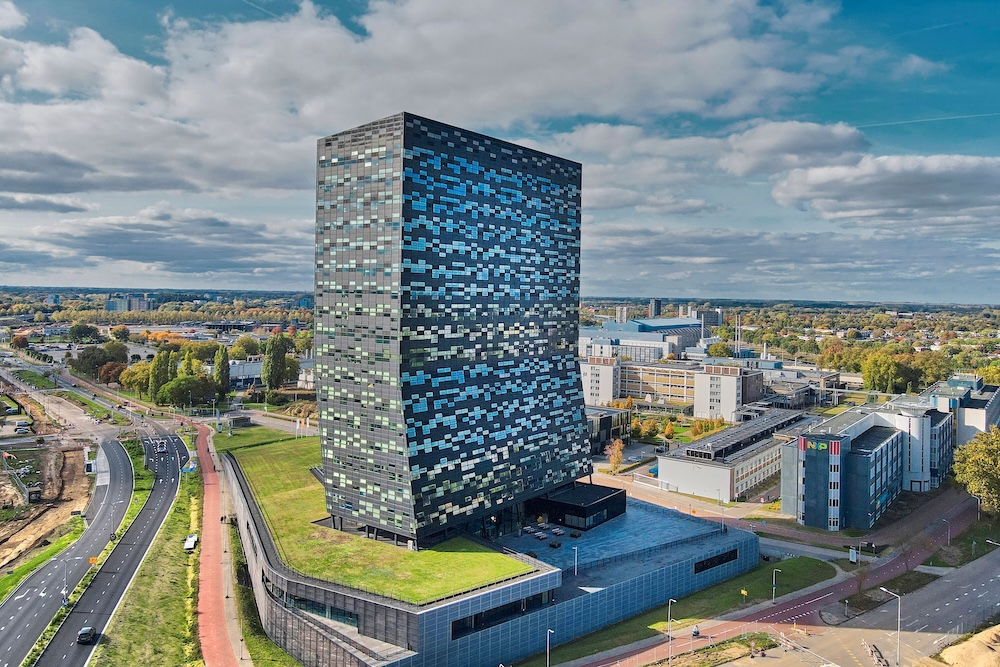
The Enterprise Chamber of Amsterdam’s appeal court ordered an investigation into the operations of chip maker Nexperia on Wednesday and upheld the suspension of the company’s CEO.
The Dutch government sparked a diplomatic row last September when caretaker economic affair minister Vincent Karremans placed the company under state supervision by invoking a previously unused law dating from 1952.
The court found that there are “valid reasons to doubt the sound policy and conduct of business.” It will now appoint two investigators to prepare a report.
The legislation gave Karremans far-reaching powers to overturn company decisions that could shift production or expertise abroad. China reacted angrily and temporarily halted deliveries of crucial chips to European customers, including the car industry.
The intervention followed what the minister described as “serious signals of governance shortcomings” at the Nijmegen-based company that could threaten European technological know-how and production capacity.
The company makes transistors in bulk which are used in European-manufactured cars, phones and solar panels.
Nexperia was also placed on a trade blacklist by the US government last year, around the time the case first came to court, but the Dutch government denied it had acted under pressure from Washington.
In an earlier ruling, the court suspended Nexperia’s executive director, Zhang Xuezheng, appointed a former director who has a casting vote and placed the shares owned by Xueheng’s company Wingtech under administrative control.
Xuezheng has denied the allegations and is demanding €8 billion in damages for the Dutch government. His company has accused the Dutch authorities of political interference in corporate governance and called on the government to “stop meddling in the judicial process”.
Chip supplies have partially resumed since early November, when China eased its export ban for manufacturers of civil equipment. Nexperia’s European factories produce only semi-finished products, which must be further processed in Asia, mainly China, before they can be used.
Thank you for donating to DutchNews.nl.
We could not provide the Dutch News service, and keep it free of charge, without the generous support of our readers. Your donations allow us to report on issues you tell us matter, and provide you with a summary of the most important Dutch news each day.
Make a donation