Comments by MPs linked to discrimination in media and online
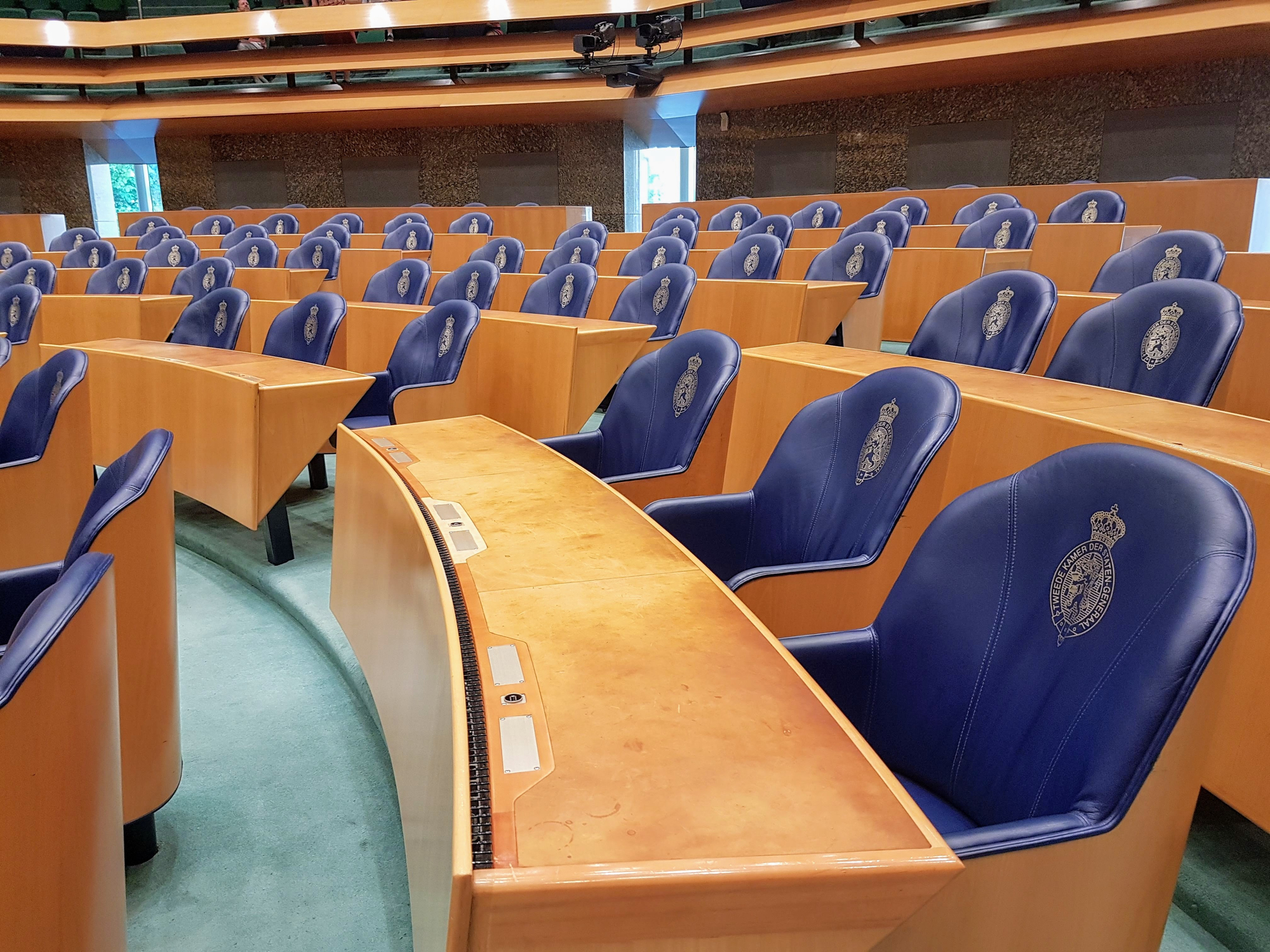
Discriminatory statements by MPs are feeding into a climate of hatred in the media and online, a study commissioned by parliament has found.
Researchers at the University of Amsterdam said comments about ethnic minorities, women and other population groups were amplified in newspapers, on TV shows and on social media in a vicious cycle of hate speech.
The research team studied tens of thousands of speeches and interruptions in parliamentary debates over the last 10 years as part of an ongoing inquiry by the State Commission on Discrimination and Racism.
“Polarising rhetoric by politicians is amplified by media, fuelling online hostility that can undermine democratic processes by intimidating journalists, judges, and scientists,” they said.
They noted that certain events triggered a “spike” in Islamophobic language online, such as the general election in 2023 and the riots following the Europa League football match between Ajax and the Israeli club Maccabi Tel Aviv in November 2024.
In the wake of the Maccabi riots, junior social affairs minister Jurgen Nobel said “a large share of Islamic youths” had rejected Dutch customs and values. He later qualified his comments, saying he did not intend to “tar a very large group of people with the same brush”.
Bulgarian fraud
Terms such as “Bulgarian fraud” in newspaper headlines and speeches in parliament also served to normalise discriminatory language, the report said.
Joyce Sylvester, the former Labour party (PvdA) senator chairing the commission, said the research showed there was a direct link between statements made in parliament and discrimination on social media.
“What you see is that it explodes: one comment in parliament that is then conveyed in a national newspaper and explodes on social media.
“Sometimes you also see the opposite effect, where discriminatory statements are made on social media or in newspapers and adopted by MPs.”
Sylvester used the repeated use of the term “witch” by Geert Wilders, leader of the far-right PVV, to describe former D66 party leader Sigrid Kaag as an example of politicians fuelling discrimination.
“Wilders called Kaag a witch. We then saw that being adopted on social media. And it wasn’t just about Sigrid Kaag being a witch, but other female politicians being given the same label.”
The commission was set up as part of the response to the childcare benefits scandal, or toeslagenaffaire, in which families with young children were wrongly accused by Dutch tax authorities of defrauding on their childcare allowances.
Many of the affected families were from minority communities and around 11,000 parents were subjected to extra checks because they had dual nationality, even though councils have been barred from keeping records of second nationalities to prevent such discrimination.
Thank you for donating to DutchNews.nl.
We could not provide the Dutch News service, and keep it free of charge, without the generous support of our readers. Your donations allow us to report on issues you tell us matter, and provide you with a summary of the most important Dutch news each day.
Make a donation