Birds and the bees: Mauritshuis show explores avian inspiration
Senay Boztas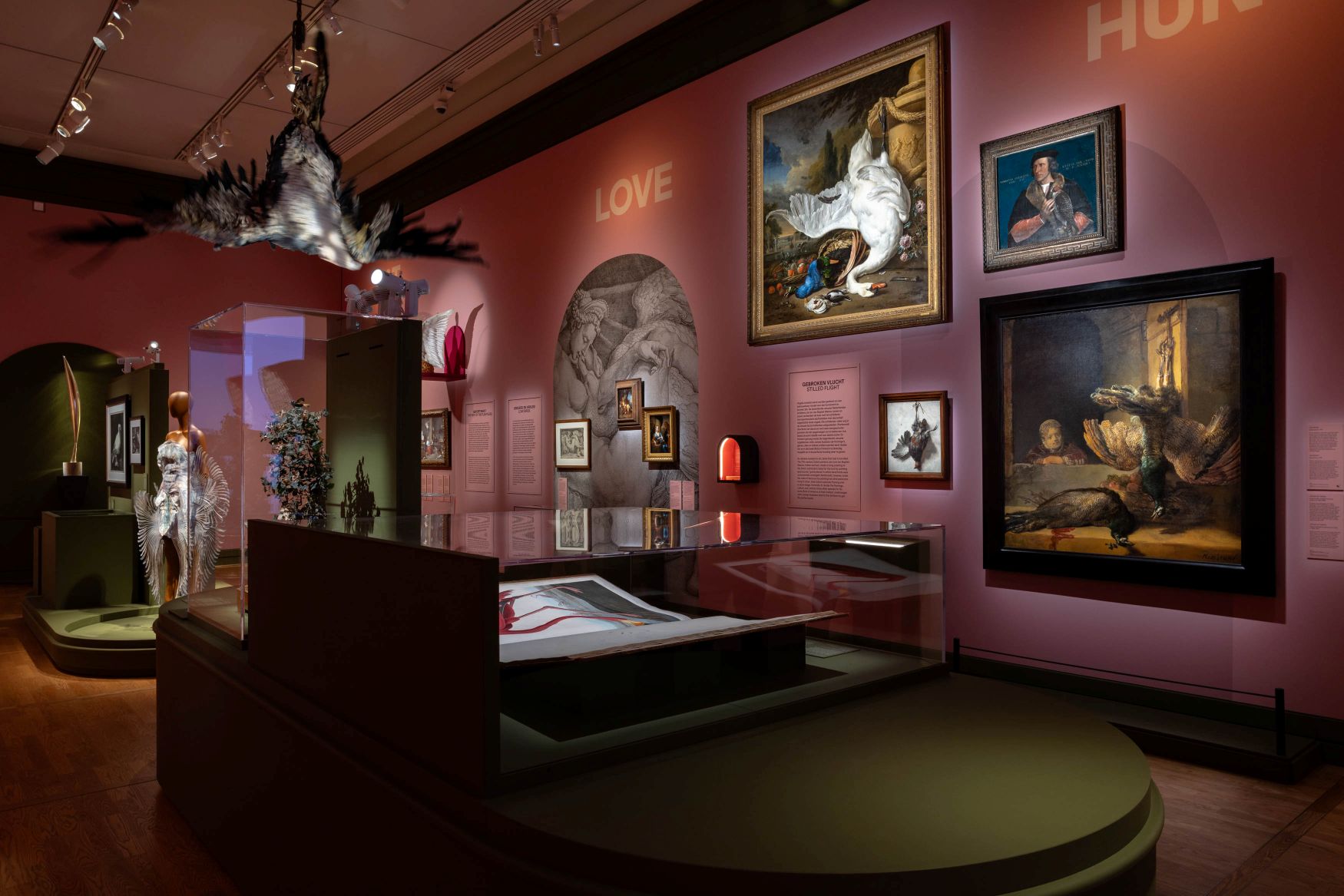
“Shall we go birdwatching?” Zullen we gaan vogelen? Sounds innocent enough, but according to a new exhibition in The Hague, this was a 17th century invitation for some illicit sexual activity.
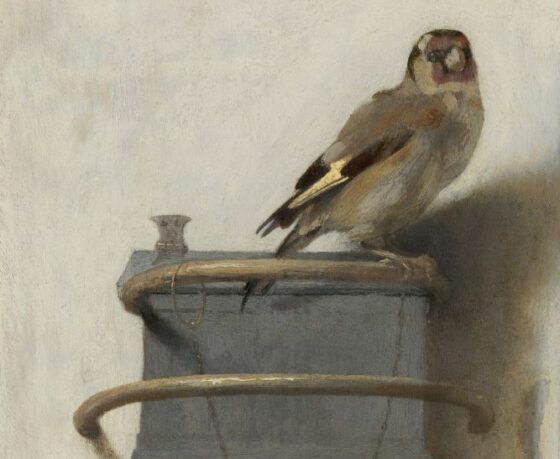
Birds, which opened at the Mauritshuis on Thursday, looks at the enduring appeal of birds in art, literature, life and even court verdicts across the centuries – in an exhibition inspired by its famous painting, The Goldfinch, by Rembrandt’s pupil Carel Fabritius.
The oldest surviving Dutch manuscript is on show – borrowed from the Bodleian Library in Oxford – and in the margins of this 11th century collection of religious texts is apparently one of the oldest bits of graffiti. “All the birds have begun to build their nests, except you and me,” it reads, in old Dutch. “What are we waiting for?”
In a “chamber of wonders” from paintings by Rembrandt and sketches by Leonardo da Vinci to a Tracey Emin sculpture and dress by fashion designer Iris van Herpen, the show explores how birds have always been an existential symbol for humanity – and yet how many species are now under threat.
It was inspired, said director Martine Gosselink, by a recent book extract in The Guardian by historian and broadcaster Simon Schama – who has co-curated the exhibition. “The exhibition is all about opening out the Mauritshuis,” she said at a press viewing.
“Bird [numbers] are going down and we are really worried about this. We tell stories about how we treat birds in general and also how we treat them if we need them or want to paint them…There’s a deep relationship between the man and the bird.”
Schama said birds have been used throughout the history of humanity to symbolise the relationship between life and death, both in artefacts such as grave monuments and in art.
“All high art is resistance to death – it’s about the disappearance of memory,” he said. “You fix a face, a story, you don’t want to disappear…We have lost [three] billion [North American] birds since 1970. These figures are extremely serious and birds are in a sense profound for us, as they are so ancestral.”
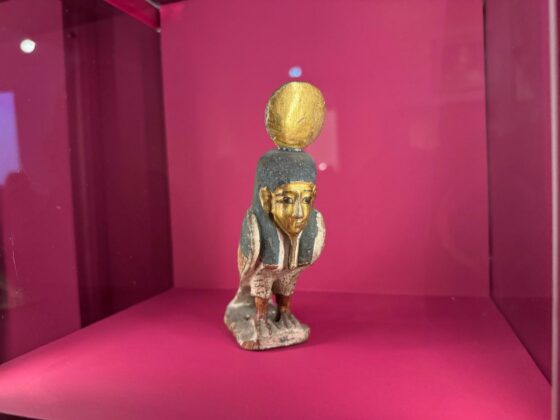
The ba bird in ancient Egypt was thought of as a kind of heavenly messenger – and mummified birds in ancient tombs also had a spiritual function, for instance. “The notion of the Ba is that it was a kind of charm, your friend, to ensure your spirit would ascend during the day to do the course of the sun, “ he said. “This is to cheer you up when you’re dead – you have this first pet bird to guide you through the afterlife.”
Birds were often pets, like Fabritius’ Goldfinch, whose minute chain is only visible when you look closely.
“Goldfinches were very popular pets because they had such a cheerful song and a talent for learning tricks,” said co-curator Adrienne Quarles van Ufford. “If you put a basin with water below the bird could draw its own drinking water – this trick gave the bird its nickname in Dutch. It became puttertje: the bird that draws its own water.”
At one end of the room is the deceptively simple Goldfinch, painted in 1654, the year the 32-year-old Dutch artist died; at the other is a kind of modernist opposite, a 1912 sculpture by Romanian artist Constantin Brâncuși symbolising the freedom of flight, Bird in Space.
Birds were there to be eaten, as a bloody Rembrandt painting of hanging peacocks, Still life with Peacocks, makes perfectly clear. They were killed to be painted by artists like John James Audubon, or hunted for their decorative features. When a clever sparrow got in the way of a Dutch world record domino attempt in 2005, it was shot – to international consternation.
The show also includes footage from a Greenpeace campaign, with a ballet dancer performing “Dying swan” covered in oil, images of factory farmed chicks and a flock of migratory birds in Jan van IJken’s video, The Art of Flying. Schama said, however, that the exhibition did not aim to be political.
“Donald Trump thinks windmills kill the birds,” he added. “We’ve never thought of him as an environmentalist before, I think….
“With everything that’s happening in ecological degradation, is there a danger of being overly pessimistic, too obsessed with what we have lost? Yes, but there’s also a danger of being too complacent.”
Birds – Curated by The Goldfinch & Simon Schama runs from February 12 to June 7 2026 at the Mauritshuis
Thank you for donating to DutchNews.nl.
We could not provide the Dutch News service, and keep it free of charge, without the generous support of our readers. Your donations allow us to report on issues you tell us matter, and provide you with a summary of the most important Dutch news each day.
Make a donation