Why does the Netherlands seize up at the first sign of snow?
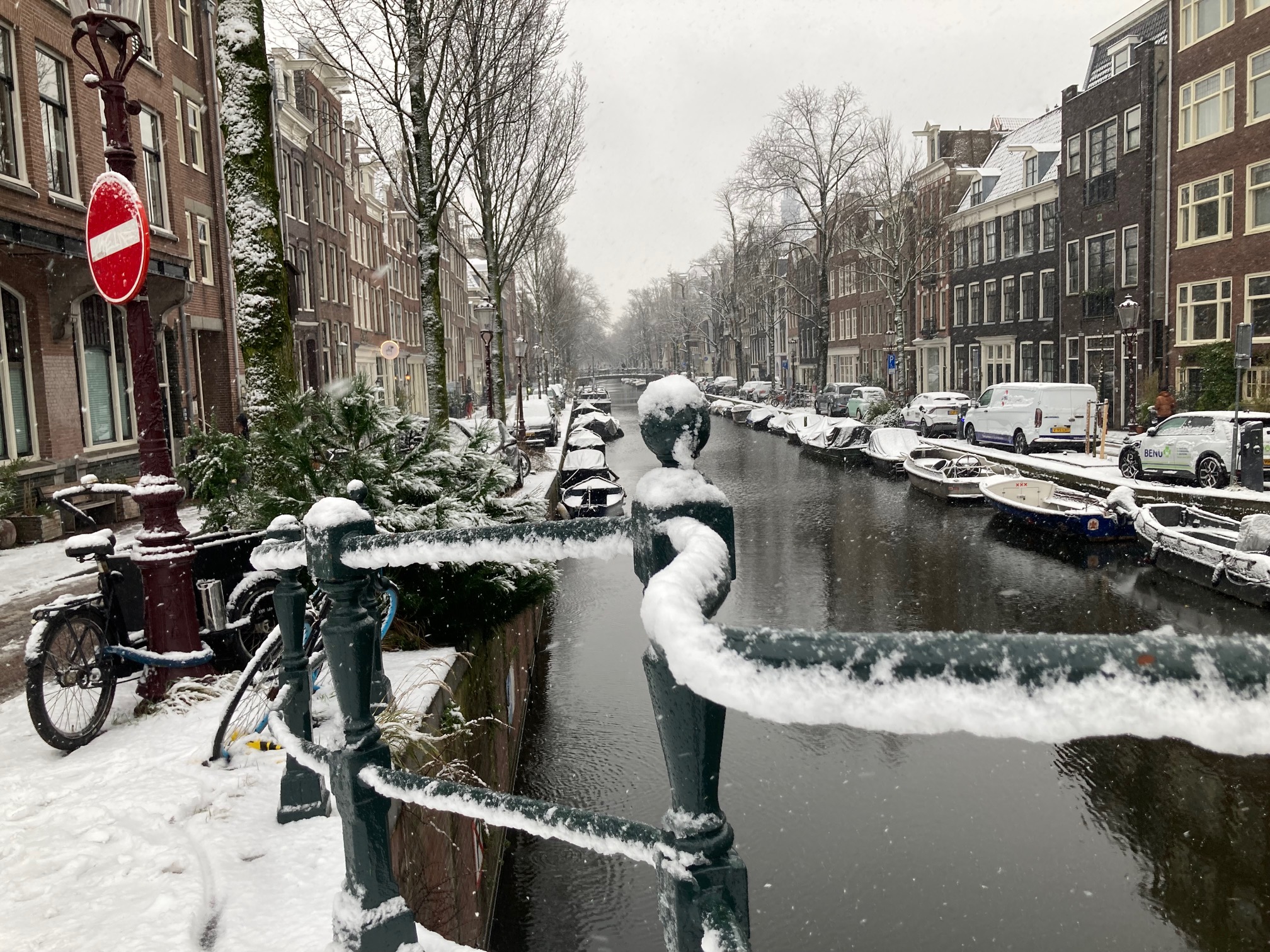
There is plenty of soul-searching in the Dutch media on Tuesday about why the country seems to grind to a halt at the first sign of snow, with the AD going as far as to quote bemused foreigners in Eindhoven about the chaos.
“Yes, I am very frustrated,” Giusseppina from Latvia told the paper, while waiting for a train at the city’s main station. “This would be impossible to imagine where I come from… They should have been better prepared.”
NS services were disrupted on Tuesday by frozen points systems and an IT breakdown, although trains began running again after 10 am.
Broadcaster NOS spoke to experts about what can be done to stop the disruption to transport systems and how to invest in ways to keep essential infrastructure free of the impact of snow and ice.
“Companies know that the weather will cause problems a couple of times a year,” aviation expert Joris Melkert from Delft University told the broadcaster. “But that is usually down to strong winds. We have not seen snow like this for a long time.”
Hundreds of flights have been cancelled at Schiphol airport, stranding tens of thousands of passengers.
Keeping aircraft free of ice requires specialist equipment and the work is done by office staff who have been trained to do so, he said. “But you never have enough equipment on days like this,” Melkert said.
“It takes between five and 20 minutes to complete the process but on average there are 1,300 take-offs a day, and there are not hundreds of machines to use.”
It is also questionable whether the investment would be worth it, Melkert said. “If you buy more machines, they will have to be maintained all year, and then Schiphol costs rise and plane tickets are already so expensive,” he said. “This is the result – it’s a shame but that’s the way it is.”
ProRail spokesman Andy Wiemer said the same considerations also apply to the railways. “The Dutch railway network is not built for this sort of weather,” he said. “We’d need billions of euros to change it and you have to ask if it would be worth it for three days every few years.”
In many places the points – which allow trains to switch tracks – are kept warm by gas and the flame can blow out in strong winds, he said. Electric heating would be more efficient and is used in Switzerland.
Six months of snow
“But there they have snow for six months a year and have built their infrastructure around it,” Wiemer said. “They spend 5% of their GDP on infrastructure and we spend 1.2%.”
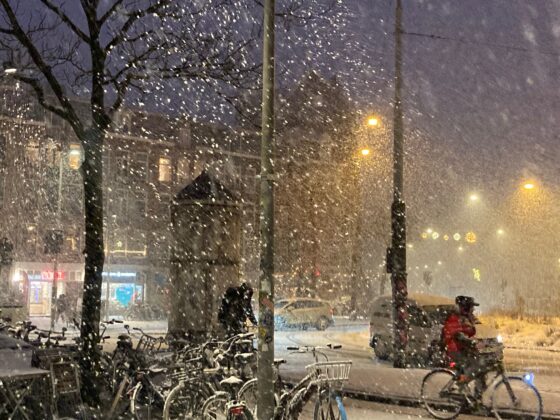
The disruption also applies to the roads, with public transport cancellations, stranded lorries, dozens of accidents and kilometre-long traffic jams.
More than seven million kilos of salt were spread on Dutch roads on Monday but motorists were still advised to stay home, news website Nu.nl pointed out. “This is because salt is much less effective than grit,” reporter Michelle Peters said.
Delft University’s Wijnand Veeneman said that the grit as used in places like Sweden would need to be cleaned up once the snow had gone which is both difficult and expensive.
The other side of the coin, he said, is that unlike many countries, the Netherlands does not have much trouble with the weather. That could make dealing with it something that does not really need to be prepared for either, he said. “Either that or spend a lot of money on something which benefits you on three days a year.”
Thank you for donating to DutchNews.nl.
We could not provide the Dutch News service, and keep it free of charge, without the generous support of our readers. Your donations allow us to report on issues you tell us matter, and provide you with a summary of the most important Dutch news each day.
Make a donation