Partner content
The truth about laundry detergent sheets and “microplastics”
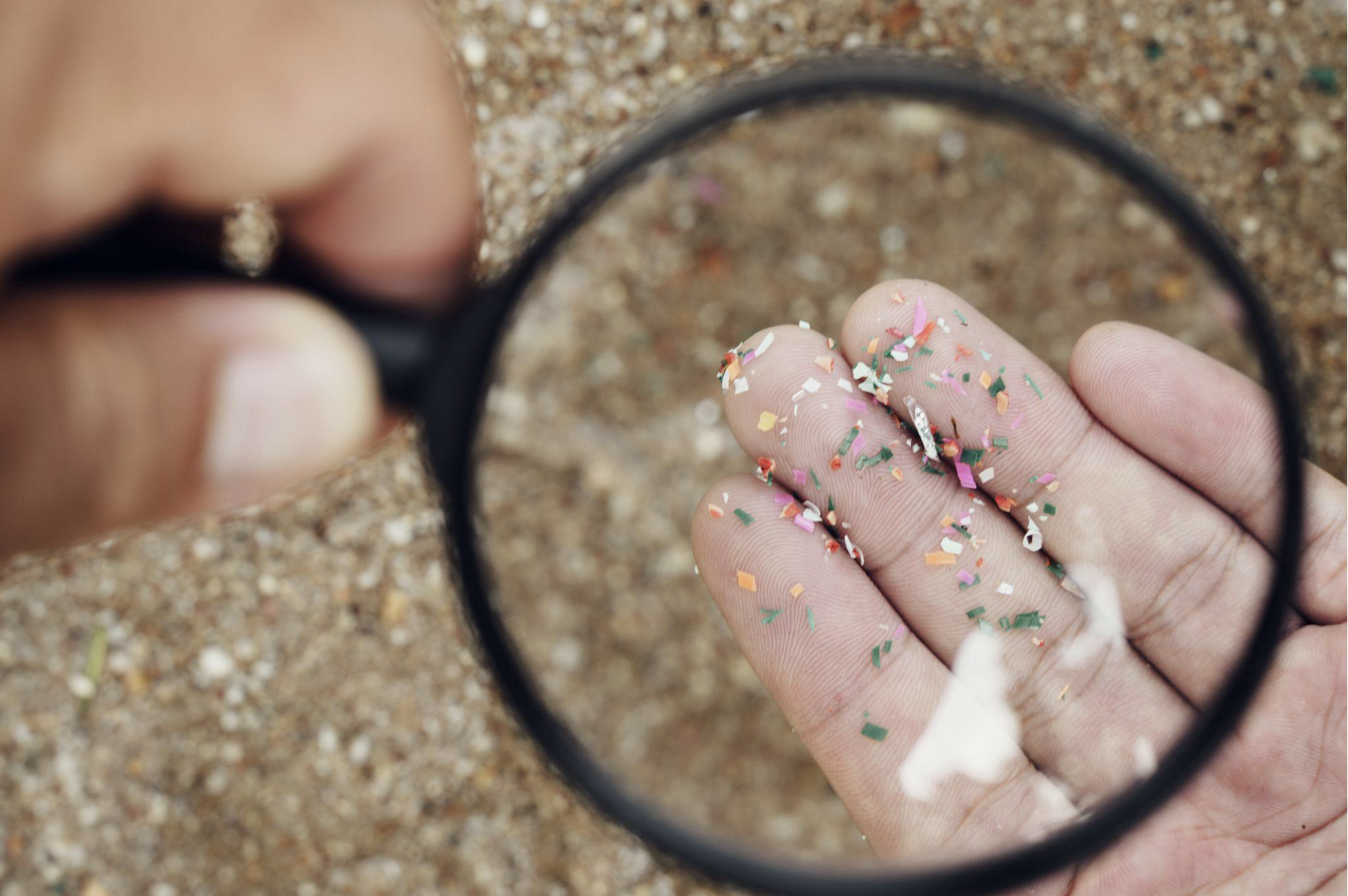
Laundry detergent sheets are not plastic-free, despite widespread consumer assumptions, but that does not automatically make them environmentally harmful.
The issue has resurfaced after viral social media posts claimed detergent sheets contain plastic, leaving some users feeling misled after switching from liquid detergents in plastic bottles. The debate centres on PVA, or polyvinyl alcohol, a synthetic polymer commonly used in laundry sheets and detergent pods.
Many detergent sheets contain PVA, which is chemically a form of plastic. However, experts warn that this alone does not settle the environmental question. “Plastic-free”, “microplastic-free” and “environmentally safe” are not interchangeable terms, and claims based on them can be misleading.
Waste water
The key question is not simply whether PVA is present, but how much is used, what type it is and what happens to it after it enters waste water systems. The bottom line: detergent sheets are not automatically “good” or “bad”, and they require more adult scrutiny than a front-of-box claim.
Detergent sheets have grown in popularity largely because they reduce visible plastic packaging, are lighter to transport than liquid detergents and are often marketed as simpler or gentler alternatives. But formulations vary widely between brands, and slogans alone provide little insight into environmental impact.
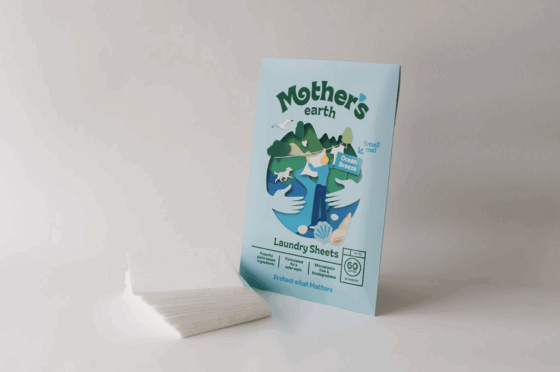
PVA is used because it allows sheets to hold together during manufacturing, packaging and use. It dissolves in water, but dissolving is not the same as biodegrading.
Once dissolved, the substance still enters waste water systems, where its fate depends on treatment processes, temperature and the chemical properties of the polymer.
Environmental assessments therefore depend on test data. Independent biodegradability tests carried out under realistic conditions, typically around 20–25°, are considered the most relevant. Widely used OECD “ready biodegradability” tests set minimum pass levels, but experts say stronger results are needed to support environmental claims.
While EU rules restrict intentionally added microplastic particles, water-soluble polymers such as PVA fall outside the legal definition. This means products can legally be described as microplastic-free even if they contain synthetic polymers, a distinction that has added to consumer confusion.
Environmental impact
Research into the environmental impact of detergent-grade PVA is ongoing, with studies reaching different conclusions depending on conditions and polymer types. Dutch consumer programme Keuringsdienst van Waarde has also highlighted how “plastic-free” wording can mislead if the distinction between dissolving and biodegrading is not made clear.
For consumers, the result is an uncomfortable middle ground. Detergent sheets are not automatically good or bad, but their environmental impact depends on evidence, not marketing.
Clear ingredient lists, independent test results and precise language are increasingly seen as the best indicators of whether a product lives up to its claims.
Avoid greenwashing
If you like the practical upside of sheets (less plastic packaging, less carrying, easier dosing), here is how to choose without falling for greenwashed language.
Look for an OECD 301-type “ready biodegradability” test, or an equivalent clearly described method, using a temperature of 20–25° and a biodegradation rate of at least 80% within 28 days. A rate of 90%, such as that claimed for Mother’s Earth laundry sheets, is exceptional and stricter than the OECD minimum.
The most transparent brands clearly separate “free from plastic packaging waste” (about the box or bottle) from “microplastic-free (EU definition)” (about intentionally added particles).
Mother’s Earth’s page on PVA and microplastics is seen as an example of a brand explaining these distinctions clearly.
In a young, fast-growing category, trust should be earned through methods, numbers, and disclosure, not front-label absolutes. If you want detergent sheets to be a real improvement, not just a different kind of plastic story, reward the brands that publish their homework.
Dutch News is not responsible for the content of this article.
Thank you for donating to DutchNews.nl.
We could not provide the Dutch News service, and keep it free of charge, without the generous support of our readers. Your donations allow us to report on issues you tell us matter, and provide you with a summary of the most important Dutch news each day.
Make a donation