Split in Wilders’ PVV increases options for minority coalition
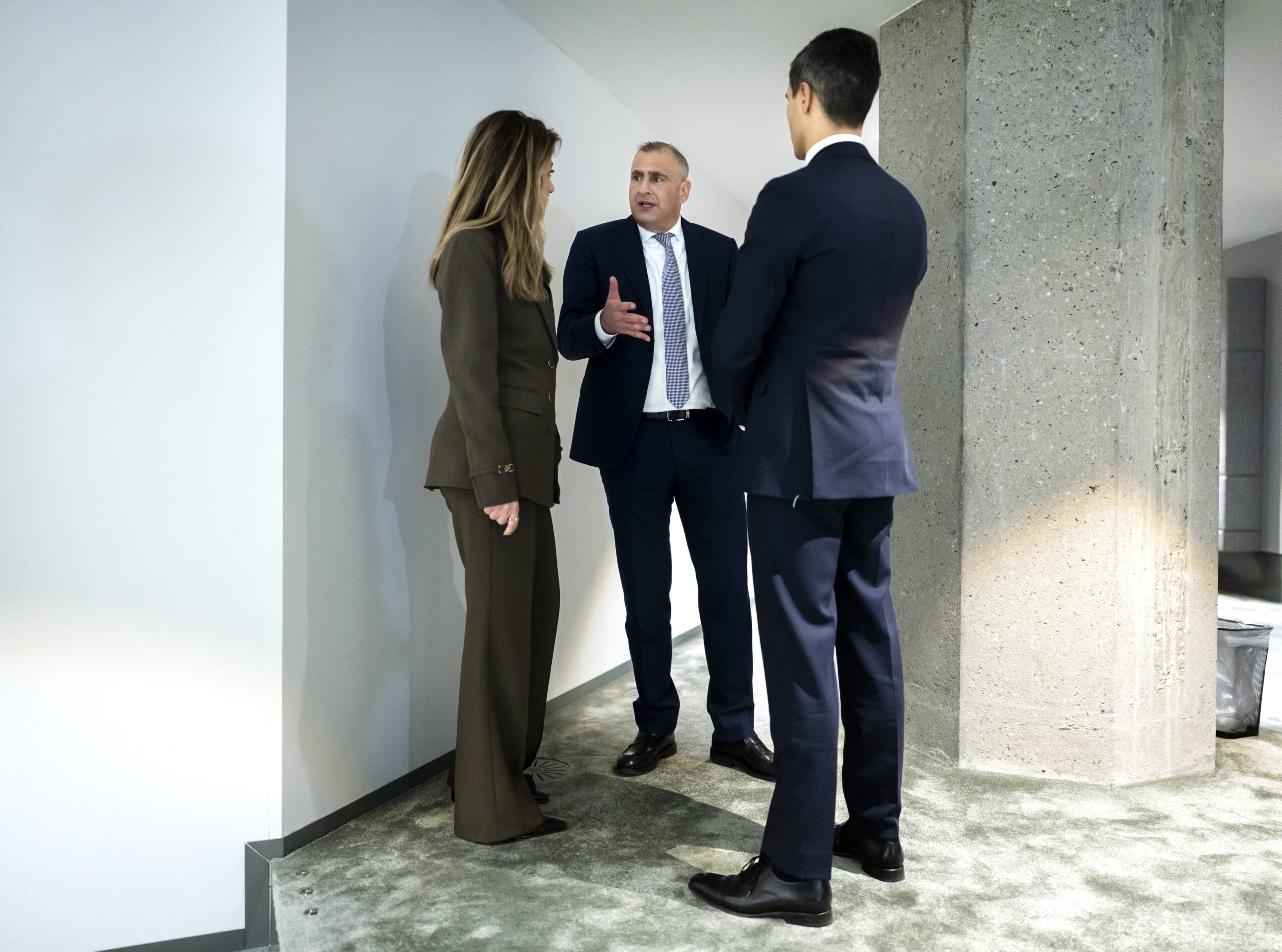
The split in the far-right PVV after seven of its MPs formed a breakaway party could create opportunities for the incoming government, which will need support from the opposition to get its legislation through parliament.
The new group, led by Gidi Markuszower, said it wanted to “do business” with the minority cabinet of D66, CDA and VVD – in stark contrast to PVV leader Geert Wilders, who turned down an invitation to drink coffee with the coalition parties last week.
Wilders’s “hard opposition” was one of the reasons given by the seven MPs for quitting the party, along with the loss of 11 seats at the general election and the failure to create a membership structure.
“The country wants to see solutions, not just criticism,” the MPs said. “The PVV is more than one man with a Twitter account and we can realise far more than just severe criticism of Islam.”
The MPs, many of whom were elected for the first time in October, have said they want to meet Rianne Letschert, who is chairing the negotiations to form the next government, in the next week.
D66 leader and prospective prime minister Rob Jetten gave a guarded welcome to the idea. “If a new parliamentary party wants to work constructively with us, that creates opportunities,” he said.
Constructive parties
“The question is what kind of line the new party takes. That’s something we’ll find out in the next few months.”
Dilan Yesilgöz, leader of the right-wing liberal VVD, said: “It means there is more room to look around and see if there are constructive parties who can think with us.”
Christian Democrat leader Henri Bontenbal preferred a wait-and-see approach. “It depends on what they’re going to do,” he said. “I wouldn’t wish this misery on anybody and I’m not going to dance on someone else’s grave.”
Bontenbal pointed out that the PVV will still be a “substantial opposition party” even with 19 seats, but the split means it is no longer the largest group outside the coalition.
That honour now falls to the left-wing alliance GroenLinks-PvdA, whose leader Jesse Klaver was sceptical of the Markuszower group’s pledge to be more constructive. “I need to see what this brings first,” he said.
The other parties on the hard right, FVD and JA21, have said they are not interested in merging with the former PVV MPs, but they are likely to work closely together.
Right-wing alternative
D66 and CDA have ruled out working with the PVV or FVD, but a combination of JA21 and the Markuszower group would have 16 seats, creating a viable right-wing alternative to GL-PvdA. That will appeal to Yesilgöz, who campaigned on a pledge to shut Klaver’s party out of the cabinet.
Opinion polls since the election have shown support for the PVV falling off sharply since the election. A Maurice de Hond survey published at the weekend, before the split was announced, found Wilders’s party would win just 17 seats.
The main beneficiary was FVD, which is predicted to double its contingent to 14 seats, while JA21 would win 11, a gain of two. The total for the far-right block was unchanged at 42 seats or 29% of the electorate.
Thank you for donating to DutchNews.nl.
We could not provide the Dutch News service, and keep it free of charge, without the generous support of our readers. Your donations allow us to report on issues you tell us matter, and provide you with a summary of the most important Dutch news each day.
Make a donation