Short sighted: Most kids’ glasses are not covered by insurance
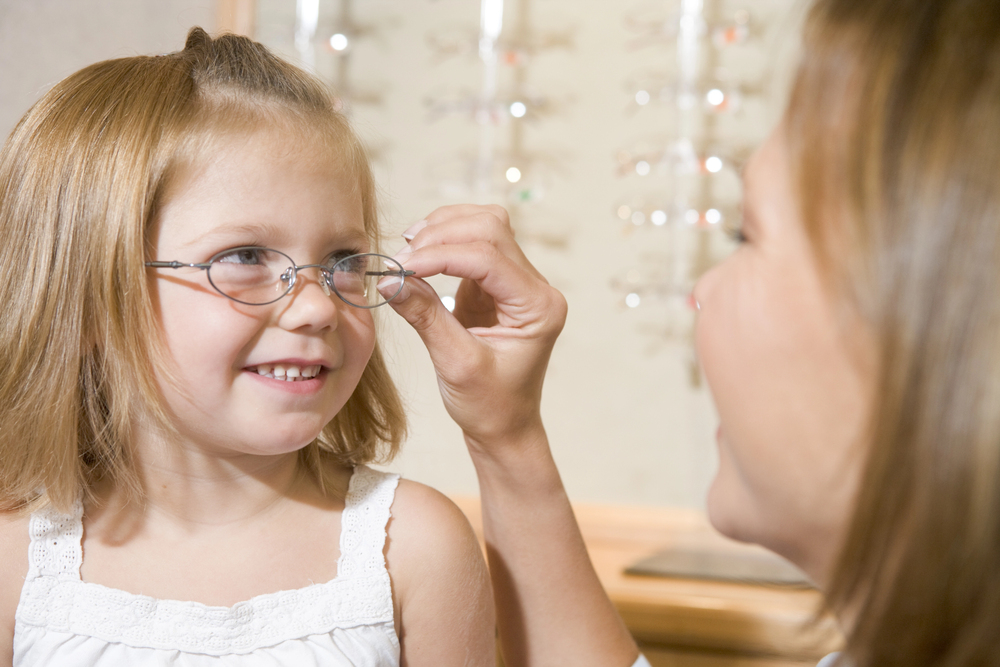
Children’s glasses should be included in the basic health package because an estimated 64,000 are wearing the wrong ones or none at all because their parents can’t afford them, according to research by Amsterdam’s UMC teaching hospital.
Most glasses for children are not covered by the basic insurance but parents are spending an average of €274 on a pair of glasses for their child a year, the research showed. This is an annual expense because children need at least one new pair every year to accommodate changes in strength and because they outgrow them.
In a survey which was part of the research, almost a quarter of parents said they struggle to buy a new pair of glasses every year. They postpone the purchase or don’t bother at all, and don’t replace broken glasses.
Teachers and eye specialists have been calling for more help for parents, and aid organisations have seen requests for help increase, prompting the health ministry to gauge the extent of the problem.
Some 634,000 children need glasses, the researchers found. Around 10% live on or just above the poverty line with few financial buffers. Some parents said they would postpone a holiday or borrow money to be able to pay for glasses or contact lenses. One parent said he took a second job to be able to afford them.
“The access to glasses for children is under pressure,” head researcher and professor Ruth van Nispen told Trouw. “Not wearing glasses or wearing the wrong glasses can severely damage the development of a child. And the current insurance system is leading to great social inequality,” she said.
“It would be totally logical to cover glasses for all children, either completely or partly, in the basic insurance package. It is normal practice in other countries,” Van Nispen said. Van Nispen also said children’s eyes should be tested more often to make sure problems are diagnosed early.
Caretaker health minister Jan Anthonie Bruijn said the problem is “ structural and worrying”. “In a country like the Netherlands, income should not determine if a child can see properly,” he said.
Bruijn has asked health care institute Zorginstituut, which determines basic health care coverage, to investigate the conditions under which eye care for children can be included. A recommendation from the institute is expected at the end of the year.
Thank you for donating to DutchNews.nl.
We could not provide the Dutch News service, and keep it free of charge, without the generous support of our readers. Your donations allow us to report on issues you tell us matter, and provide you with a summary of the most important Dutch news each day.
Make a donation