Partner content
Why more people in the Netherlands are turning to VPNs
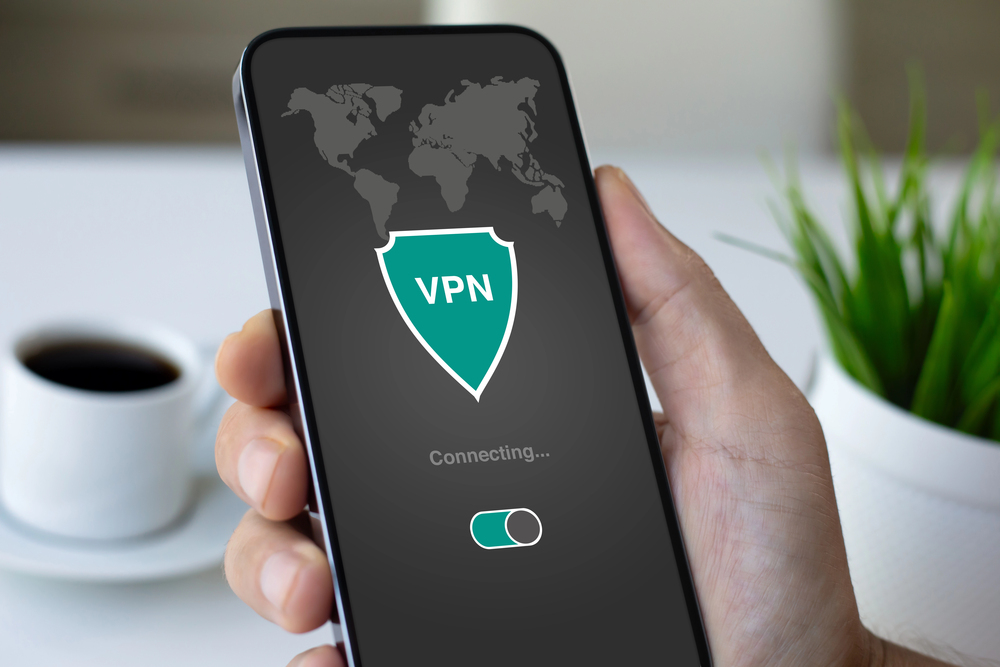
Using a virtual private network, or VPN, is fast becoming standard practice for people in the Netherlands who want more control over their online privacy. From remote workers and freelancers to international residents and frequent travellers, VPN use is growing as internet security risks become harder to ignore.
A VPN on your phone encrypts your internet connection and replaces your real IP address with one from a secure server elsewhere. That makes it far more difficult for third parties to track your online activity or intercept sensitive data, whether you are shopping online, sending emails or working remotely.
Privacy and security
At its simplest, a VPN creates a secure link between your device and the wider internet. All data passing through that tunnel is encrypted, meaning it cannot be read even if it is intercepted.
Since the Netherlands is part of the 14 Eyes surveillance alliance, your activity may be subject to international intelligence sharing. A VPN encrypts your data and masks your IP address. This helps keep your personal information secure from ISP monitoring, hackers, and cross-border surveillance.
VPNs are also particularly relevant in the Netherlands, where working from home has become firmly embedded since the pandemic. Many employers now rely on distributed teams accessing company systems from home networks, cafés or shared workspaces. A VPN adds a crucial extra layer of protection, especially when using public Wi-Fi, which can easily be monitored by others.
Practical benefits
There is also a practical benefit. Because your traffic appears to come from the VPN server rather than your own location, you can access websites and streaming services as if you were abroad.
That makes VPNs popular with people who want to watch programmes from their home country or follow international sports broadcasts – think World Cup football in 2026 for example, or the T20 cricket.
For home working security experts stress that VPNs work best as part of a broader approach. Employers are advised to update their cybersecurity policies for remote work, restrict access to sensitive data, encrypt devices and train staff regularly. Human error remains one of the most common causes of data breaches and infringements of the EU’s privacy legislation GDPR.
Choosing the right VPN
Many free VPNs are available, but privacy specialists warn that some generate revenue by tracking users or selling data. In practice, that defeats the purpose. Paid services are relatively inexpensive with lower prices for longer subscriptions.
When selecting a VPN, privacy policies matter and it is better to go for a provider that commits to a strict no-logs policy and which are based in countries with strong privacy protections. Users should also look for services with a wide range of servers, including in the Netherlands, and easy-to-use apps for both phones and computers as well as multiple network connections.
Thank you for donating to DutchNews.nl.
We could not provide the Dutch News service, and keep it free of charge, without the generous support of our readers. Your donations allow us to report on issues you tell us matter, and provide you with a summary of the most important Dutch news each day.
Make a donation