What changes on 1 January 2026: new laws, rules and rates

It is almost 2026, and that means a wide range of new laws, rules and tax rates will take effect on 1 January. Here is an overview of the most important changes.
VAT on hotel stays rises
Value added tax (btw) on overnight stays in hotels and holiday parks rises from 9% to 21%. The tax payable at campsites where people bring their own tent, caravan or camper, remains 9%.
Minimum wage and benefits increase
The government adjusts the minimum wage twice a year. From 1 January it rises from €14.40 to €14.71 gross per hour for everyone aged 21 and over.
Benefits linked to the minimum wage also increase and the state pension (AOW) for single people rises from €1,527.63 to €1,558.15 net per month. Other benefits, including welfare and incapacity benefit rise by the same percentage.
Income tax
The three tax brackets will change slightly in 2026. The basic rate, on income up to €38,883, goes down marginally to 35.70% (was 35.82%), the middle rate for income up to €79,137 rises to 37.56% and the top rate remains 49.50%.
The amount of assets a single person can have in Box 3 asset tax will go up to €58,568 while the threshold for couples will be €117,136.
Childcare allowance
Households with a joint income of less than €56,412 will only have to pay 4% of the cost of childcare in a regulated daycare centre, up from €47,403 this year.
Cryptocurrencies
Crypto service providers must now report customers’ crypto holdings, such as bitcoin, to the tax authorities. Under EU rules, tax authorities will also exchange balance and transaction data with each other. The aim is to make it harder to avoid wealth tax on cryptocurrencies.
Inheritance tax
Heirs now have 20 months, instead of eight, to file inheritance tax returns. The government says eight months was often too short for people dealing with bereavement.
More people eligible for housing benefit
Currently housing benefit is only payable to people who live in social housing, that is rental housing which costs less than €933 a month from next year.
However, from 2026, low income households will be able to claim the benefit over the first €932 of their rent, as long as they don’t have much in the way of savings. Some 170,000 households are expected to be able to claim.
People can also claim full housing benefit from the age of 21 rather than 23.
Property transfer tax cut for investors
Property transfer tax is being cut from 10.4% to 8% for second homes and buy to let properties. The tax remains 2% for owner occupiers, while first-time buyers under the age of 34 continue to pay no transfer tax on cheaper properties.
Rents rise
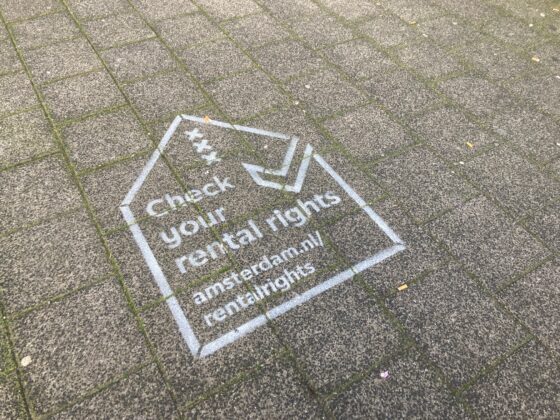
Rents in the private sector (non-rent controlled) may rise by up to 4.4% in 2026. Mid-market rents – so between €932.93 and €1,228.07 – may rise by up to 6.1%. Social housing rents may go up by a maximum of 4.1%.
Landlords can put rents up once a year and this mainly happens in July.
Train travel becomes more expensive
Train fares rise by an average of 6.5%. Earlier forecasts pointed to a larger increase, but the government and NS agreed to spread the full rise over four years.
Fuel excise duty rises
Excise duty rises by 5.6 cents per litre for petrol, 3.6 cents for diesel and 1.3 cents for LPG. The increase partly reverses cuts introduced in 2022 after fuel prices surged following Russia’s invasion of Ukraine.
Traffic fines increase
Despite criticism from the state debt collection agency, the government is pressing ahead with another increase in traffic fines, mostly by around €10 for each offence. This means driving while holding a mobile phone will cost you €440 while the fine for wrongful parking goes up to €130.
Vehicle taxes
Road tax (MRB), which is based on the weight and fuel type of any vehicle, will go up for electric car users. the current 75% discount on the tax for private electric vehicles is being cut to 30%, and while the tax for plug in hybrid cars and vans is being abolished completely.
E-cigarettes only in specialist shops
Vapes and e-cigarettes may only be sold in specialist shops.
Energy bills
Grid maintenance charges will rise by around €25 a year. The tax on gas is rising by 2.7 cents per cubic metre while the tax on electricity drops by 1.2 cents per kilowatt hour, as part of government efforts to encourage people to switch to more sustainable energy sources.
Basic health insurance changes
Several minor changes have been made to basic health insurance, and smokers can now follow a stop-smoking programme up to three times. Premiums will only rise marginally next year.
More items allowed in plastic waste
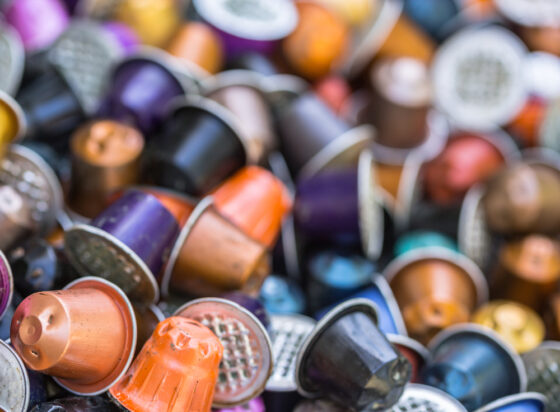
People may now dispose of coffee capsules, household spray cans and large packaging films in plastic waste containers.
Fines for bogus self-employment
The tax authorities can now fine employers who hire freelancers for work that should legally count as formal employment.
The rules, which actually came into force in 2016 but have been ignored until now, state that someone is presumed to be self-employed if they carry financial risks, have their own tools and other equipment, have specific expertise that the company renting them does not have, and present themselves as a freelancer while working.
Although the rules are due to be enacted from January, a majority of MPs have called on the outgoing cabinet to delay the implementation for several months.
More pension funds switch system
Twenty-four pension funds are moving to the new pension system in 2026, covering more than half of all participants. The new system which is based on everyone having their own pension pot which they will be able to take with them when switching jobs. Pensions will also follow the stock market more closely.
Self-employed tax deduction reduced
The self-employed tax deduction falls from €2,470 to €1,200, continuing a long-term reduction aimed at narrowing the tax gap between employees and freelancers.
Cash payments capped
Retailers may not accept cash payments of €3,000 or more. The ban does not apply to transactions between private individuals.
Hairless and fold-eared cats banned
Owning young hairless cats and fold-eared cats becomes illegal in 2026. Animals born and chipped before 1 January may stay with their owners but cannot enter shows or competitions.
Thank you for donating to DutchNews.nl.
We could not provide the Dutch News service, and keep it free of charge, without the generous support of our readers. Your donations allow us to report on issues you tell us matter, and provide you with a summary of the most important Dutch news each day.
Make a donation