The 2025 Dutch general election: as it happens
Voting is underway in the Netherlands for the 150 MPs who make up the lower house of parliament. Here’s the main news of the day.
What happens next?
The polls close at 9pm and counting begins. Broadcaster NOS will publish its first exit poll as soon as the polls close. Given the probable closeness of the result, the exit poll will only give an indication of what might have happened. Nevertheless, party leaders will react to the result.
The results will start to trickle in from around 10pm but it won’t be for several hours until a clearer picture emerges. And the big cities, which are often late to declare, can mean big changes.
Some votes, such as those cast by Dutch expats living abroad, won’t be counted until next Tuesday, so it will take at least until then to get a final tally – if things are close.
For what happens after that, check out this article.
Amsterdam has most potential MPs
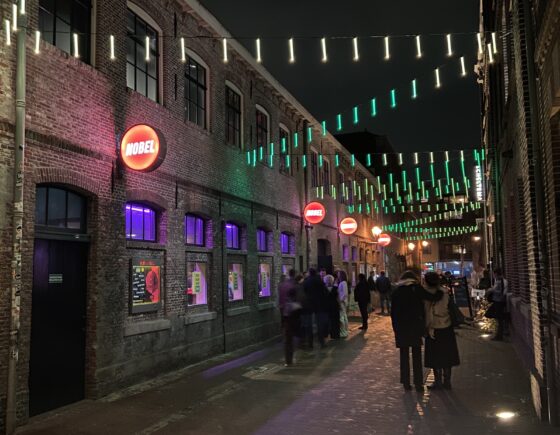
Amsterdam has the highest number of candidates in the general election, with 91 people from the capital standing for parliament. The next largest group comes from The Hague, with 71 candidates, followed by Rotterdam with 62 and Utrecht with 26.
Together, the four largest cities account for 250 potential MPs — roughly the same as the combined total from Overijssel, Limburg, Groningen, Flevoland, Zeeland and Drenthe.
Friesland stands out with 73 candidates, or 6.3% of the total list, even though the province represents just 3.7% of the Dutch population. The strong showing is largely due to the entry of the Frisian National Party (FNP), which is taking part in the parliamentary election for the first time.
Turnout hits 101% on Schiermonnikoog
The Wadden Sea island of Schiermonnikoog has just one polling station and is a big draw with holidaymakers and student groups as a place to vote. Only 792 people officially live on the island but just before 4pm, turnout had reached 101%.
Turnout is up in the Dutch News poll
More people have so far voted in the Dutch News poll than did in 2023 as a whole. Have your say about who you would vote for if you could – and even if you can.
Voting next to an Egyptian temple in Leiden
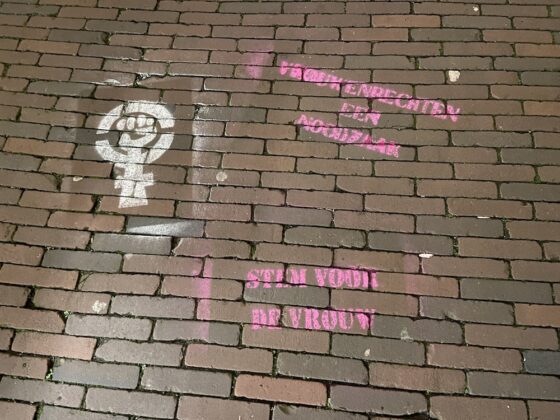
In Leiden voters stepped over dozens of pro feminist stencils that were sprayed on sidewalks and streets near polling stations in the early hours of the morning.
While there were only a few people voting at a polling station set up in a Douwe Egberts cafe near the train station, there was a fairly long line in the LSV Minerva student union building, despite the lingering smell of stale beer in the foyer.
Over at the Academiegebouw, a bride, groom, and their wedding photographer put the nuptials on pause for a few minutes so they could cast their ballots. They were congratulated by other voters as they made their way to a car waiting out front.
But perhaps the most popular place to vote in Leiden remains the Rijksmuseum van Oudheden where voting takes place in front of the Temple of Taffeh, an Egyptian temple that dates back to 25 BC.
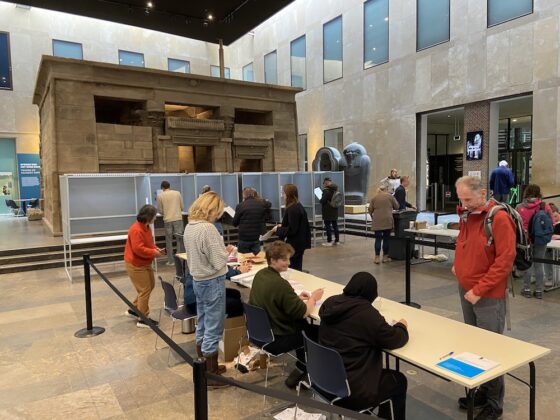
The temple was a gift from the Egyptian government and one condition was that it had to be placed in an area where anyone could visit it without paying an entry fee. This means the museum’s entrance hall is open to everyone.
“Where we’re standing now is considered a public area and what is a better symbol for a public area than being a polling station?” museum director Wim Weijland told Dutch News. “This has become a tradition here for both national and local elections.” [Brandon Hartley]
Lunchtime turnout update
By 1.45pm, 27% of the electorate had voted, according to Ipsos I&O, down one percentage point on the same time in 2023. In total, 77.7% of the 13.4 million potential voters cast their ballot in that election.
Have your say in the Dutch News poll
Unable to vote because you are not Dutch but would like to have your say anyway? The traditional Dutch News poll is now open.
Shout out for Jan de Boer
The most common name on the ballot paper this year – which features 27 parties in most areas – is Jan, while De Boer is the most common surname.
There are, according to an analysis by ANP, 21 Jans on the list and eight De Boers (the farmer) – but none of them represent the pro-farming party BBB. Inge – with six mentions – is the most common name for a female candidate.
In total, there are 1166 people runing for parliament and over two-thirds of them have never tried to become an MP before.
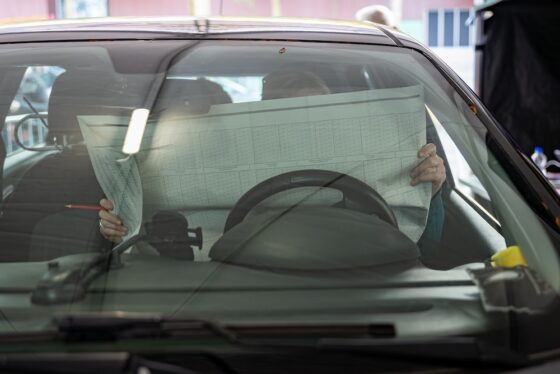
Dick Schoof offers his cabinet’s resignation
Prime minister Dick Schoof formally offered his cabinet’s resignation to the king on Wednesday morning. The government had already been in caretaker status since the PVV withdrew from the coalition on 3 June.
In practice, nothing changes for now. Schoof and the remaining VVD and BBB ministers will continue to govern until a new cabinet is sworn in, a process that could take several months.
Utrecht’s residents vote early
By 10.30 on Wednesday morning, voter turnout in several major cities ranged from 12% to just over 18%, according to preliminary figures. Utrecht again recorded the highest early turnout, with more than 18% of voters having cast their ballots by mid morning.
In Groningen, just over 15% of voters had turned out by 10.30am, while Eindhoven reported around 14.5%. The figure was slightly lower in The Hague at over 13%, and in Rotterdam, just over 12% of eligible voters had voted by that time. Amsterdam will release its initial turnout report at 1pm.
Have your say in the Dutch News poll
Unable to vote because you are not Dutch but would like to have your say anyway? The traditional Dutch News poll is now open.
Party leaders cast their votes
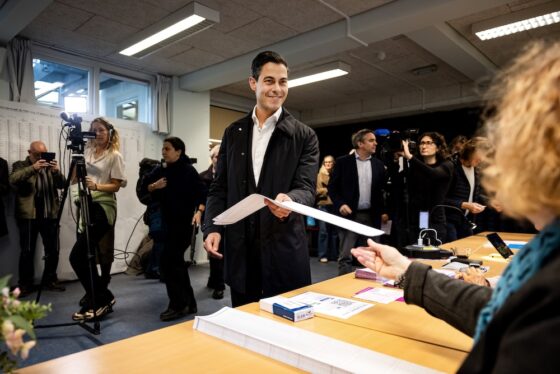
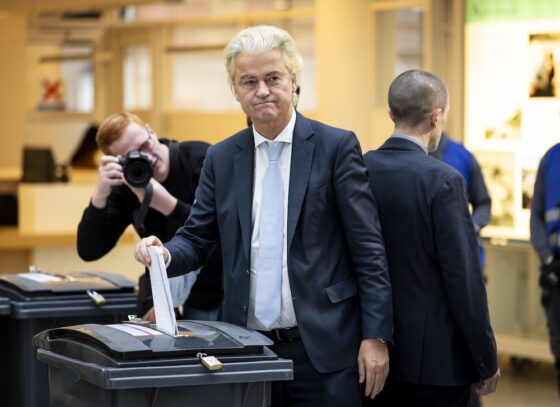
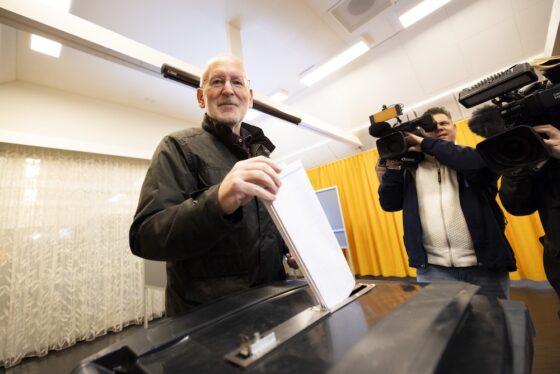
Casting your vote is another photo opportunity for party leaders who have been out on the campaign trail for the past three weeks at least. CDA leader Henri Bontenbal voted in the Johanneskerk in Rotterdam, where he lives while far right leader Geert Wilders voted in The Hague’s city hall.
A church, a windmill
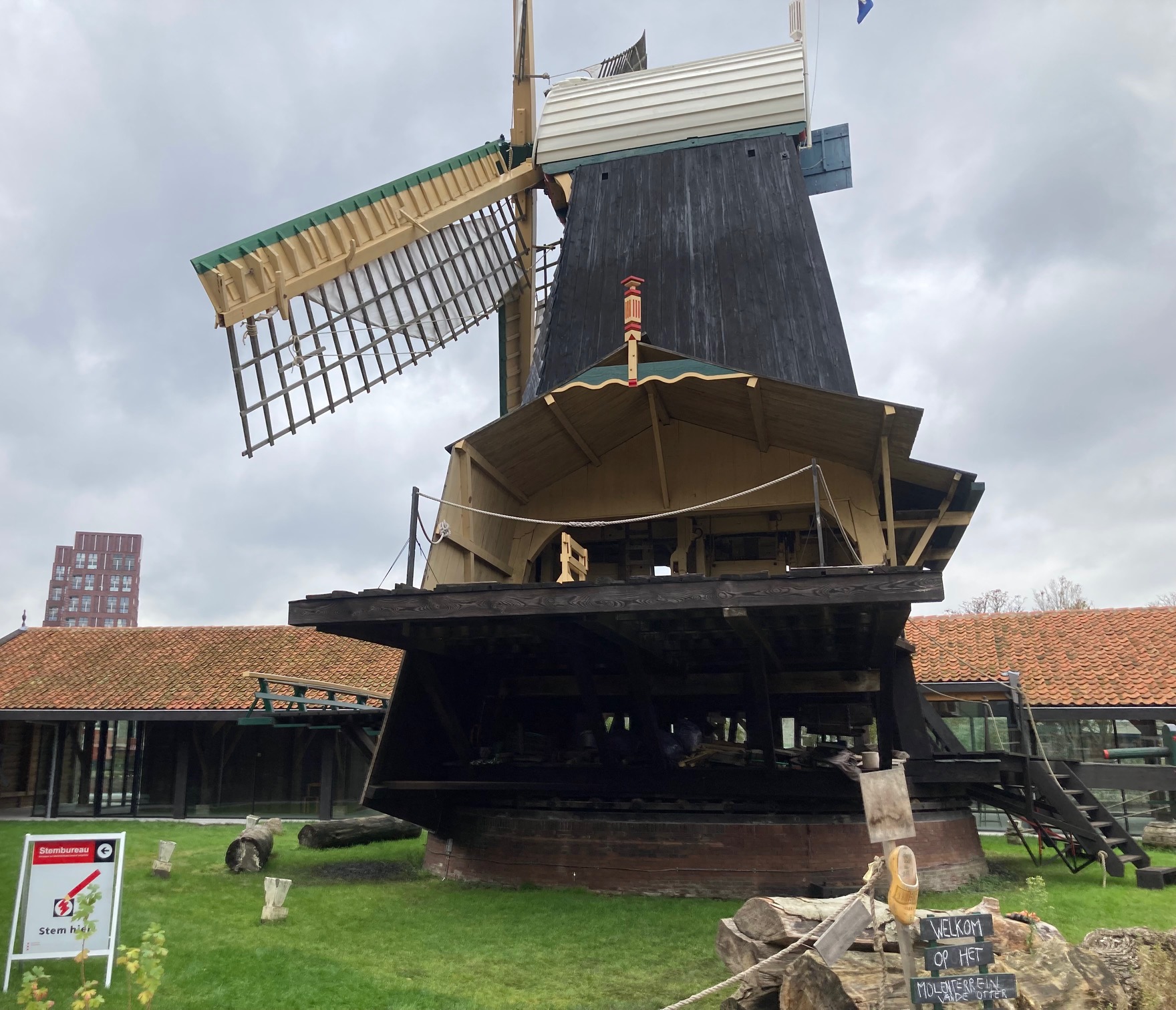
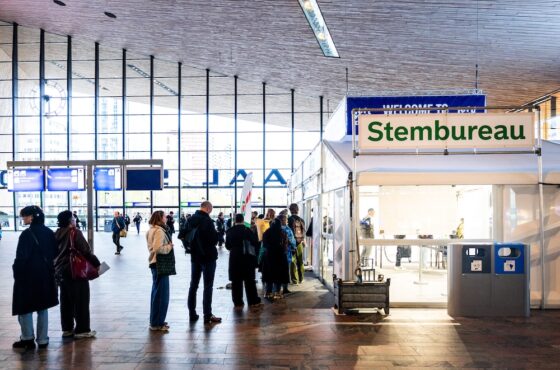
In total voters have the choice of 10,023 polling stations, ranging from schools and churches to shops, railway stations, museums and even a windmill.
Two of the Wadden Sea islands – Schiermonnikoog and Vlieland – and the village of Rozendaal in Gelderland have just one polling station and compete every election to be the first to declare their results.
Some polling stations – including a student cafe in Zwolle and a museum in Arnhem – opened at midnight. All will be closed by 9pm.
Voters: difficult task for next cabinet
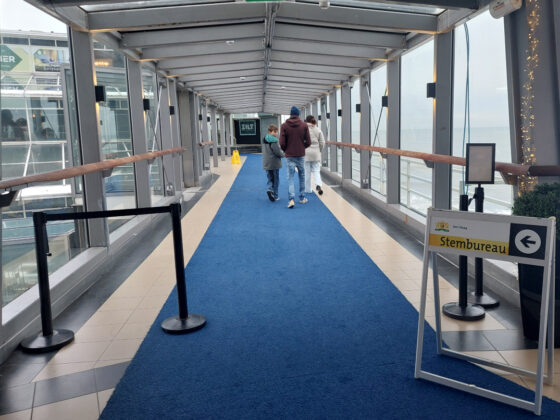
A steady trickle of voters made the long walk to the polling station at the end of Scheveningen pier, but there was little optimism that their votes would make a difference.
D66 voter Geert Middenkoop said he hoped his party would join the next government. “I hope it makes a difference for the environment, migration and the economy,” he said. “But they’re going to have a difficult job.”
Faicha Kario voted for Esther Ouwehand of the animal rights party PvdD. “She stands for certain values, so that’s why I vote for her,” she said. ‘I have no trust in politicians: when you listen to them, they’re only in it for themselves. But I didn’t want my vote to be lost.”
Polls show a neck and neck race
The final two opinion polls of the Dutch election campaign suggest Geert Wilders’ far-right PVV is faltering while the progressive-liberal D66 has surged into the top three.
The Verian poll by EenVandaag still puts the PVV in the lead but with 29 seats, down five in the last week and four ahead of GroenLinks-PvdA, who are unchanged on 25. D66 are in third place after rising eight seats to 24, which would equal the party’s best-ever election result. The Christian Democrats (CDA) drop four seats to 19 while the right-wing liberal VVD are up one on 16.
The other voter survey by Ipsos I&O puts the PVV, GL-PvdA and D66 neck and neck on 23 seats, with the CDA on 19 and the VVD on 17. The changes are less dramatic, with the PVV down three seats, D66 and VVD up one and the CDA and JA21 down by one.
A centrist coalition of GL-PvdA, D66, CDA and VVD – four of the five parties who formed every cabinet from 1982 until 2023 – would have 84 seats on the Verian poll and 82 according to Ipsos.
That would give it a clear majority in parliament, but VVD leader Dilan Yesilgöz is strongly opposed to joining a cabinet with Frans Timmermans’ party GL-PvdA.
Thank you for donating to DutchNews.nl.
We could not provide the Dutch News service, and keep it free of charge, without the generous support of our readers. Your donations allow us to report on issues you tell us matter, and provide you with a summary of the most important Dutch news each day.
Make a donation