DutchNews.nl - DutchNews.nl brings daily news from The Netherlands in English

9 May 2026
Newsletter Donate Advertise
  • News
  • Life in the Netherlands
  • Jobs
  • Partner content
  • Podcast
  • Advertise
  • About us
  • Search
  • Home
  • Economy
  • Politics
  • Art and culture
  • Sport
  • Europe
  • Society
  • Environment
  • Health
  • Housing
  • Education
  • News
    • Home
    • Economy
    • Politics
    • Art and culture
    • Sport
    • Europe
    • Society
    • Environment
    • Health
    • Housing
    • Education
  • Life in the Netherlands
    • Latest
    • Opinion
    • Books
    • Travel
    • 10 Questions
    • Learning Dutch
    • Inburgering with DN
    • Food & Drink
    • Ask us anything
  • Jobs
  • Partner content
  • Podcast
  • Advertise
  • About us
    • Donate
    • Team
    • Advertise
    • Contact us
    • Writing for Dutch News
    • Privacy
    • Newsletter
  • Search

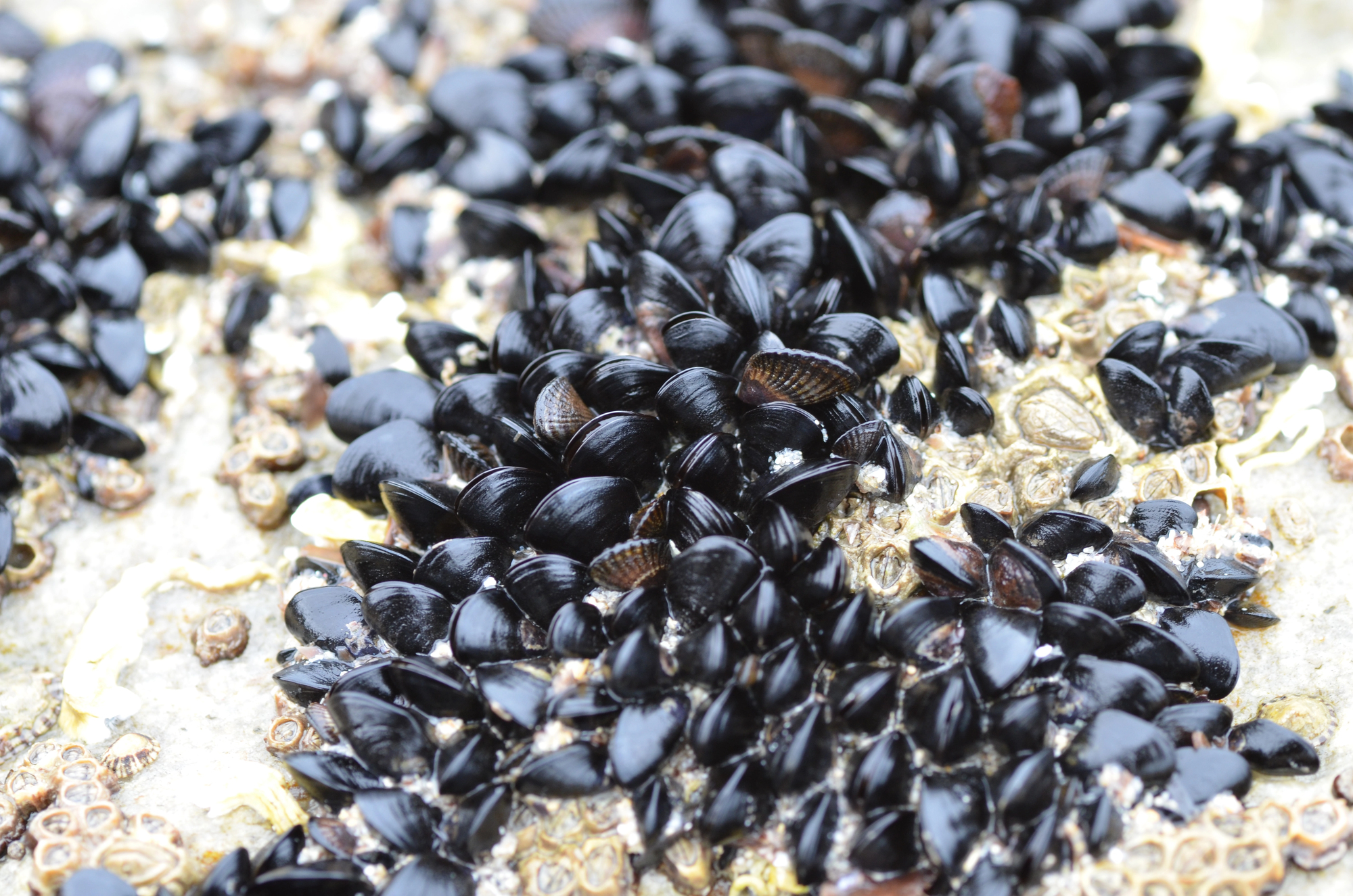
Shellfish indulgence: Wadden Sea boasts record number of mussels
June 2, 2025
Photo: Depositphotos

The total area of the Wadden Sea covered by mussel banks has grown to unprecedented levels in the last year, marine scientists have said.

An estimated 7,000 hectares of the tiny shellfish have been detected this year by satellite imagery and other techniques, almost twice as many as the previous record year.

“It’s remarkable,” Karin Troost of Wageningen Marine Research told Omrop Fryslân. “Nobody in the Netherlands has seen this in their lives.”

Scientists detected a surge in larvae last autumn, but young mussels usually die in large quantities during the winter and in autumn storms.

The experts said the population boom could be linked to relatively low numbers of predators such as crabs, shrimp and young fish, but the exact reasons are unclear.

“It’s always very difficult to know exactly where it comes from,” Troost said. “It’s very hard to investigate what happens to mussel larvae before they form a bank.

“It’s also possible that only 2,000 hectares of new mussel larvae are in stable places and we see the rest of them disappear in the rest of the year.”

The mussel bonanza is also good news for seabirds such as the Eurasian oystercatcher, whose diet has been affected by the dwindling numbers of cockle banks. “It’s a huge boost for oystercatchers,” said Troost.

Share this article
  • Facebook
  • Twitter
  • LinkedIn
  • Reddit
  • Copy URL
Nature Society
Thank you for donating to DutchNews.nl.

We could not provide the Dutch News service, and keep it free of charge, without the generous support of our readers. Your donations allow us to report on issues you tell us matter, and provide you with a summary of the most important Dutch news each day.

Make a donation
Latest
Show more
Cabinet pushes faster deportations and tighter border checks
Six Dutch nationals held in world’s biggest single cocaine bust
Podcast: The Keep Calm And Sail To Tenerife Edition
Prosecutors take Dutch-hosted abuse site Motherless offline
Hackers break into ed-tech giant again after massive data heist
NewsHomeEconomyPoliticsArt and cultureSportEuropeSocietyEnvironmentHealthHousingEducation
Life in the NetherlandsLatestOpinionBooksTravel10 QuestionsLearning DutchInburgering with DNFood & DrinkAsk us anything
Partner content
Advertise
About usDonateTeamAdvertiseContact usWriting for Dutch NewsPrivacyNewsletter
© 2026 DutchNews | Cookie settings

Help us to keep providing you with up-to-date news about this month's Dutch general election.

Our thanks to everyone who donates regularly to Dutch News. It costs money to produce our daily news service, our original features and daily newsletters, and we could not do it without you.

If you have not yet made a donation, or did so a while ago, you can do so via these links

The DutchNews.nl team

Donate now

Dutchnews Survey

Please help us making DutchNews.nl a better read by taking part in a short survey.

Take part now