DutchNews.nl - DutchNews.nl brings daily news from The Netherlands in English

11 February 2026
Newsletter Donate Advertise
  • News
  • Life in the Netherlands
  • Jobs
  • Podcast
  • About us
  • Search
  • Home
  • Economy
  • Politics
  • Art and culture
  • Sport
  • Europe
  • Society
  • Environment
  • Health
  • Housing
  • Local elections
  • News
    • Home
    • Economy
    • Politics
    • Art and culture
    • Sport
    • Europe
    • Society
    • Environment
    • Health
    • Housing
    • Local elections
  • Life in the Netherlands
    • Latest
    • Opinion
    • Books
    • Travel
    • 10 Questions
    • Learning Dutch
    • Inburgering with DN
    • Food & Drink
    • Ask us anything
  • Jobs
  • Podcast
  • About us
    • Team
    • Donate
    • Advertise
    • Writing for Dutch News
    • Contact us
    • Privacy
    • Newsletter
  • Search

Dutch discovery brings cure for type 1 diabetes one step closer
March 20, 2025
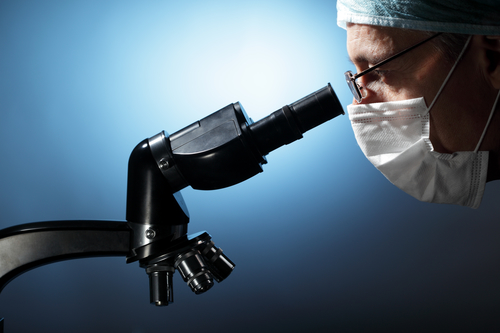
Photo: Depositphotos.com

Dutch scientists at Leiden University’s medical centre have discovered the genetic variation which protects against type 1 diabetes, bringing a cure for the disease a step closer.

The discovery, published in the medical journal Cell, will lead to a more precise diagnosis and make it easier to predict the development of the disease. Type 1 diabetes is largely hereditary, with the immune system attacking insulin-producing cells. Sufferers have to take the hormone for the rest of their lives.

The identification of the genetic variation involved also opens the door to a possible cure through a new genome editing technique treatment called Crispr-cas in which other pieces replace pieces of DNA material.

The discovery was made by researcher Bart Roep who has been delving into the causes of diabetes for over 30 years. His former PhD René van Tienhoven came across the variant while digging through genetic data.

“One piece looked familiar,” he told broadcaster NOS. “I thought, that’s interesting. I had no idea it was something major until Bart started jumping for joy when I showed it to him,” Van Tienhoven said.

Roep said the discovery is his “crowning achievement” and an important step in the search for a cure for the condition which affects 100,000 people in the Netherlands.

Roep and his team are also investigating if the discovery of the genetic variant can help explain why some treatments work in some and not in others. If that turns out to be the case, treatment can become more geared towards the specific needs of the individual, he said.

Share this article
  • Facebook
  • Twitter
  • LinkedIn
  • Reddit
  • Copy URL
Health Science
Thank you for donating to DutchNews.nl.

We could not provide the Dutch News service, and keep it free of charge, without the generous support of our readers. Your donations allow us to report on issues you tell us matter, and provide you with a summary of the most important Dutch news each day.

Make a donation
Latest
Show more
Highs and lows for Dutch skaters as De Boo bags silver in 1000m
Man accused of rapes, and killling Lisa, confesses to the crimes
Stone is Roman gameboard and AI has worked out the rules
The Netherlands needs more influencers from the United States
Dutch government is doing its job on PFAS control, court rules
NewsHomeEconomyPoliticsArt and cultureSportEuropeSocietyEnvironmentHealthHousingLocal elections
Life in the NetherlandsLatestOpinionBooksTravel10 QuestionsLearning DutchInburgering with DNFood & DrinkAsk us anything
About usTeamDonateAdvertiseWriting for Dutch NewsContact usPrivacyNewsletter
© 2026 DutchNews | Cookie settings

Help us to keep providing you with up-to-date news about this month's Dutch general election.

Our thanks to everyone who donates regularly to Dutch News. It costs money to produce our daily news service, our original features and daily newsletters, and we could not do it without you.

If you have not yet made a donation, or did so a while ago, you can do so via these links

The DutchNews.nl team

Donate now

Dutchnews Survey

Please help us making DutchNews.nl a better read by taking part in a short survey.

Take part now