DutchNews.nl - DutchNews.nl brings daily news from The Netherlands in English 7 June 2026
Newsletter Donate Advertise
  • News
  • Life in the Netherlands
  • Jobs
  • Partner content
  • Podcast
  • Advertise
  • About us
  • Search
  • Home
  • Economy
  • Politics
  • Art and culture
  • Sport
  • Europe
  • Society
  • Environment
  • Health
  • Housing
  • Education
  • News
    • Home
    • Economy
    • Politics
    • Art and culture
    • Sport
    • Europe
    • Society
    • Environment
    • Health
    • Housing
    • Education
  • Life in the Netherlands
    • Latest
    • Opinion
    • Books
    • Travel
    • 10 Questions
    • Learning Dutch
    • Inburgering with DN
    • Food & Drink
    • Ask us anything
  • Jobs
  • Partner content
  • Podcast
  • Advertise
  • About us
    • Donate
    • Team
    • Advertise
    • Contact us
    • Writing for Dutch News
    • Privacy
    • Newsletter
  • Search

More seals are becoming entangled in fishing nets: research
August 9, 2022
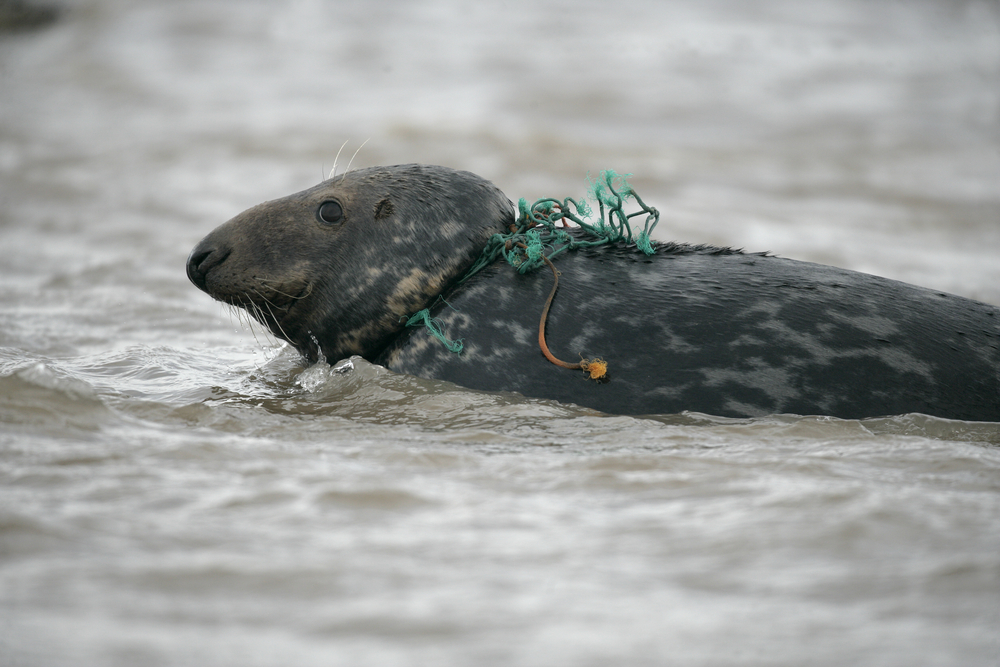
A file photo of a grey seal with fishing net round its neck. Photo: Depositphotos.com

See more DutchNews articles in your Google search results

See more DutchNews articles in your Google search results

Add as a favourite source on Google Add DutchNews as a favourite source on Google
A file photo of a grey seal with fishing net round its neck. Photo: Depositphotos.com

Experts at Dutch marine life sanctuaries are dealing with far more seals which have become entangled in waste, according to research published on Tuesday.

Up to 2018, vets were dealing with seven cases a year, but in 2019 and 2020, that figure soared to 38 and 37, the organisations said.

In 88% of cases, the waste wrapped around seals’ necks comes from the fishing and boating industry.

Grey seals are most likely to be victims, possibly because they are more curious than harbour seals, vet Anna Salazar-Casals told local broadcaster Omroep Brabant. ‘They are more likely to come into contact with fishing boats and therefore more likely to become entangled.’

Some 70% of the animals can be freed from the waste, but 20% cannot be reached and 10% are already dead.

‘Despite increased public awareness about the adverse environmental effects of marine debris, more initiatives and policies are needed to ensure the protection of the marine environment in the Netherlands,’ the researchers said.

Share this article Add DutchNews to Google
  • Facebook
  • Twitter
  • LinkedIn
  • Reddit
  • Copy URL
Society
Thank you for donating to DutchNews.nl.

We could not provide the Dutch News service, and keep it free of charge, without the generous support of our readers. Your donations allow us to report on issues you tell us matter, and provide you with a summary of the most important Dutch news each day.

Make a donation
Latest
Show more
ASML staff threaten boycott over Elon Musk invitation
Inburgering with DN: what sort of foreigner are you?
Podcast: The Vitesse Arnhem of Cabinets Edition
Leaving her mark: women take over street art at Straat museum
All three museum gold heist suspects jailed for 47 months
NewsHomeEconomyPoliticsArt and cultureSportEuropeSocietyEnvironmentHealthHousingEducation
Life in the NetherlandsLatestOpinionBooksTravel10 QuestionsLearning DutchInburgering with DNFood & DrinkAsk us anything
Partner content
Advertise
About usDonateTeamAdvertiseContact usWriting for Dutch NewsPrivacyNewsletter
© 2026 DutchNews | Cookie settings

Help us to keep providing you with up-to-date news about this month's Dutch general election.

Our thanks to everyone who donates regularly to Dutch News. It costs money to produce our daily news service, our original features and daily newsletters, and we could not do it without you.

If you have not yet made a donation, or did so a while ago, you can do so via these links

The DutchNews.nl team

Donate now

Dutchnews Survey

Please help us making DutchNews.nl a better read by taking part in a short survey.

Take part now