DutchNews.nl - DutchNews.nl brings daily news from The Netherlands in English 21 May 2026
Newsletter Donate Advertise
  • News
  • Life in the Netherlands
  • Jobs
  • Partner content
  • Podcast
  • Advertise
  • About us
  • Search
  • Home
  • Economy
  • Politics
  • Art and culture
  • Sport
  • Europe
  • Society
  • Environment
  • Health
  • Housing
  • Education
  • News
    • Home
    • Economy
    • Politics
    • Art and culture
    • Sport
    • Europe
    • Society
    • Environment
    • Health
    • Housing
    • Education
  • Life in the Netherlands
    • Latest
    • Opinion
    • Books
    • Travel
    • 10 Questions
    • Learning Dutch
    • Inburgering with DN
    • Food & Drink
    • Ask us anything
  • Jobs
  • Partner content
  • Podcast
  • Advertise
  • About us
    • Donate
    • Team
    • Advertise
    • Contact us
    • Writing for Dutch News
    • Privacy
    • Newsletter
  • Search

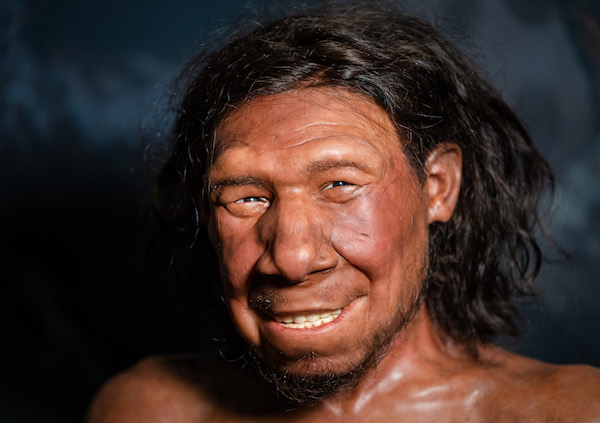
Dutch Neanderthal dubbed Krijn has been given jolly grin
September 7, 2021
Photo: Bart Maat ANP

See more Dutchnews articles in your google search results

Add as a favorite source on Google Add DutchNews as a favorite source on Google
Photo: Bart Maat ANP

The first Dutch Neanderthal, part of whose skull was found on a Zeeland beach 20 years ago, has finally been given a face.

The piece of bone, a fossilised brow ridge, had been sucked from the seabed by a shell collecting machine and deposited on the beach where it was discovered by amateur paleantologist Luc Anthonis in 2009.

The Leiden museum of antiquities was given the skull and had a reconstruction made by Dutch ‘paleo artists’ Alfons and Adrie Kennis based on scientific research. This determined the bone had belonged to a stocky young man who had lump over one eye caused by a small tumour.

The fossil is between 50,000 and 70,000 years old. Krijn, as the Neanderthal man has been dubbed, lived in an area called Doggerland, the prehistoric land link which once connected the low countries and Britain.

A million people are thought to have lived in Doggerland until climate changes flooded the last of the dry land for good around 5800 BC, creating a paleontological treasure trove beneath the waves.

The reconstruction and the fossil are part of the museum’s current exhibition about Doggerland (until October 31).

Share this article Add DutchNews to Google
  • Facebook
  • Twitter
  • LinkedIn
  • Reddit
  • Copy URL
Society
Thank you for donating to DutchNews.nl.

We could not provide the Dutch News service, and keep it free of charge, without the generous support of our readers. Your donations allow us to report on issues you tell us matter, and provide you with a summary of the most important Dutch news each day.

Make a donation
Latest
Show more
Asylum riot arrests reveal scale of outside involvement
Dutch slavery toll five times official figure, book argues
Major Dutch banks reverse crypto policies and back EU stablecoin
Close-up of the front of a Dutch fire engine
Industrial site zoned off after asbestos released in fire
Amsterdam issues 2000 emergency supply kits to poor households
NewsHomeEconomyPoliticsArt and cultureSportEuropeSocietyEnvironmentHealthHousingEducation
Life in the NetherlandsLatestOpinionBooksTravel10 QuestionsLearning DutchInburgering with DNFood & DrinkAsk us anything
Partner content
Advertise
About usDonateTeamAdvertiseContact usWriting for Dutch NewsPrivacyNewsletter
© 2026 DutchNews | Cookie settings

Help us to keep providing you with up-to-date news about this month's Dutch general election.

Our thanks to everyone who donates regularly to Dutch News. It costs money to produce our daily news service, our original features and daily newsletters, and we could not do it without you.

If you have not yet made a donation, or did so a while ago, you can do so via these links

The DutchNews.nl team

Donate now

Dutchnews Survey

Please help us making DutchNews.nl a better read by taking part in a short survey.

Take part now