DutchNews.nl - DutchNews.nl brings daily news from The Netherlands in English 24 September 2026
Newsletter Donate Advertise
  • News
  • Life in the Netherlands
  • Jobs
  • Partner content
  • Podcast
  • Advertise
  • About us
  • Search
  • Home
  • Economy
  • Politics
  • Art and culture
  • Sport
  • Europe
  • Society
  • Environment
  • Health
  • Housing
  • Education
  • News
    • Home
    • Economy
    • Politics
    • Art and culture
    • Sport
    • Europe
    • Society
    • Environment
    • Health
    • Housing
    • Education
  • Life in the Netherlands
    • Latest
    • Opinion
    • Books
    • Travel
    • 10 Questions
    • Learning Dutch
    • Inburgering with DN
    • Food & Drink
    • Ask us anything
  • Jobs
  • Partner content
  • Podcast
  • Advertise
  • About us
    • Donate
    • Team
    • Advertise
    • Contact us
    • Writing for Dutch News
    • Privacy
    • Newsletter
  • Search

Reports about caterpillars with poisonous hairs soar in NL
June 26, 2019
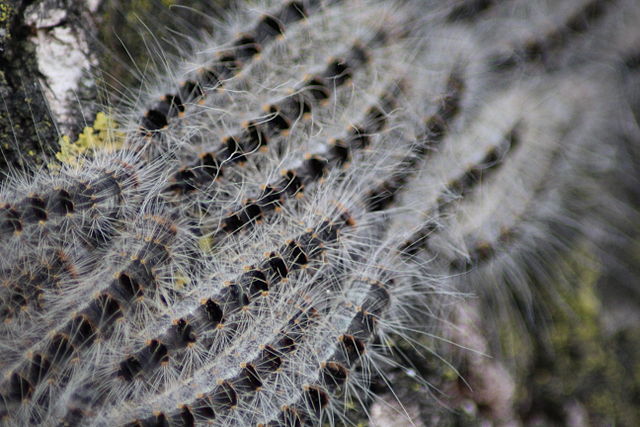
oak processionary caterpillar
Photo: Kleuske via Wikimedia Commons

See more DutchNews articles in your Google search results

See more DutchNews articles in your Google search results

Add as a favourite source on Google Add DutchNews as a favourite source on Google

Photo: Kleuske via Wikimedia Commons

It is an annual summer problem in the Netherlands, but the number of complaints about the Oak Processionary moth caterpillars have soared this year, according to the specialist centre at Wageningen University which monitors the insects.

The caterpillar sheds poisonous hairs which may cause skin irritation and breathing problems. They crawl in procession over the bark of oak trees forming a moving carpet of hairs.

In some places the number of trees infected with the caterpillars has gone up three-fold, the centre said. The caterpillar, which was not native to the Netherlands until the 1980s, has been moving through northern Europe, possibly as a result of global warming.

The centre’s experts believe local authorities should be far more structured in their approach to dealing with the pest.

‘It should be coordinated on a national scale,’ biologist Arnold van Vliet told website Nu.nl. ‘This is not a problem which is going to go away and it will have an economic impact on campsites and in recreational areas. There may also be food safety concerns because their hairs end up in grain. But the ministries have not made it a priority.’

Share this article Add DutchNews to Google
  • Facebook
  • Twitter
  • LinkedIn
  • Reddit
  • Copy URL
Health
Thank you for donating to DutchNews.nl.

We could not provide the Dutch News service, and keep it free of charge, without the generous support of our readers. Your donations allow us to report on issues you tell us matter, and provide you with a summary of the most important Dutch news each day.

Make a donation
Latest
Show more
Jetten warns Trump of “jeopardising” relations over ICC
Gelderland to impose nitrogen limits on farms despite BBB split
Groningen and Drenthe to host 2034 world cycling championships
Around 70 people in Netherlands branded “security threat”
Ships on IJssel restricted to one-way traffic as drought lingers
NewsHomeEconomyPoliticsArt and cultureSportEuropeSocietyEnvironmentHealthHousingEducation
Life in the NetherlandsLatestOpinionBooksTravel10 QuestionsLearning DutchInburgering with DNFood & DrinkAsk us anything
Partner content
Advertise
About usDonateTeamAdvertiseContact usWriting for Dutch NewsPrivacyNewsletter
© 2026 DutchNews | Cookie settings

Help us to keep providing you with up-to-date news about this month's Dutch general election.

Our thanks to everyone who donates regularly to Dutch News. It costs money to produce our daily news service, our original features and daily newsletters, and we could not do it without you.

If you have not yet made a donation, or did so a while ago, you can do so via these links

The DutchNews.nl team

Donate now

Dutchnews Survey

Please help us making DutchNews.nl a better read by taking part in a short survey.

Take part now