DutchNews.nl - DutchNews.nl brings daily news from The Netherlands in English

19 February 2026
Newsletter Donate Advertise
  • News
  • Life in the Netherlands
  • Jobs
  • Podcast
  • About us
  • Search
  • Home
  • Economy
  • Politics
  • Art and culture
  • Sport
  • Europe
  • Society
  • Environment
  • Health
  • Housing
  • Local elections
  • News
    • Home
    • Economy
    • Politics
    • Art and culture
    • Sport
    • Europe
    • Society
    • Environment
    • Health
    • Housing
    • Local elections
  • Life in the Netherlands
    • Latest
    • Opinion
    • Books
    • Travel
    • 10 Questions
    • Learning Dutch
    • Inburgering with DN
    • Food & Drink
    • Ask us anything
  • Jobs
  • Podcast
  • About us
    • Team
    • Donate
    • Advertise
    • Writing for Dutch News
    • Contact us
    • Privacy
    • Newsletter
  • Search

Climate change, globalisation and mosquitos: Dutch research the impact

June 12, 2019
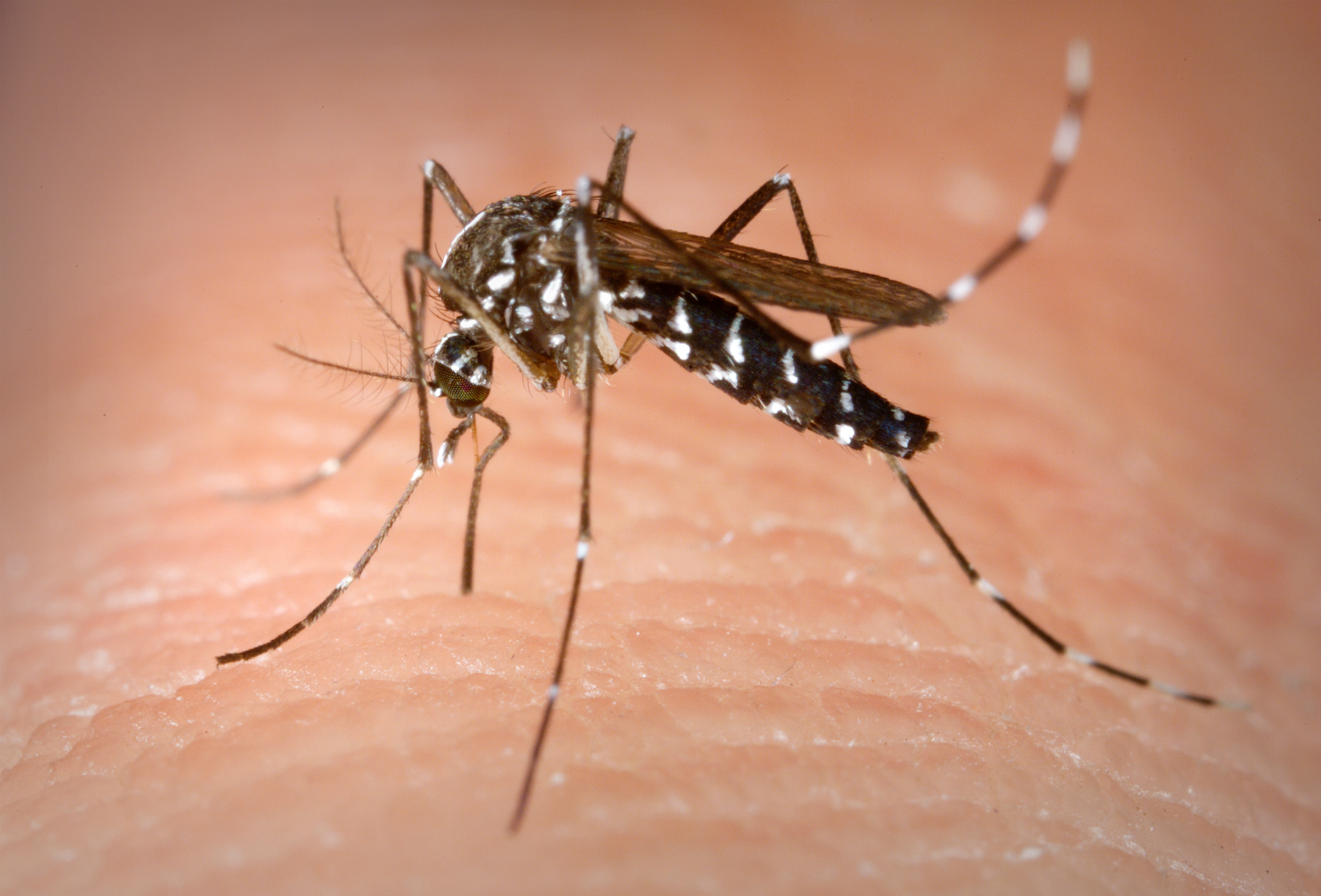
A female Asian tiger mosquito.

The Dutch government has allocated €9m for a five year research project into the way infectious diseases are spread by mosquitos and other insects.

Climate change and globalisation make it increasingly likely that diseases will be passed on by mosquitos in the Netherlands, and some tropical illnesses are slowly becoming more common in parts of Europe, the education ministry’s scientific research agency NWO says.

The Netherlands, in particular, with its high population density and water-rich landscape is vulnerable to outbreaks.

The project, lead by researchers at Erasmus University’s teaching hospital, will focus on climate, water management, farming techniques and the risks attached to international trade.

For example, the Asian tiger mosquito (Aedes albopictus) is a native of south east Asia but has been spotted several times in the Netherlands. It is thought to spread via bamboo plant imports and on car tyres.

‘The ultimate goal is to be able to predict the conditions which could lead us to expect an outbreak,’ Erasmus MC chief virologist Marion Koopmans told broadcaster NOS. Research into the spread of insect-born diseases currently focuses on actual outbreaks.

While climate change has an important role, population growth, international travel and international trade are also having an impact on the spread of disease, she said.

Popular holiday destinations such as Italy, France and Greece have had to deal with minor outbreaks of tropical diseases, as have the Dutch Caribbean islands.

Share this article
  • Facebook
  • Twitter
  • LinkedIn
  • Reddit
  • Copy URL
Health
Thank you for donating to DutchNews.nl.

We could not provide the Dutch News service, and keep it free of charge, without the generous support of our readers. Your donations allow us to report on issues you tell us matter, and provide you with a summary of the most important Dutch news each day.

Make a donation
Latest
Show more
Schiphol scraps 100 flights as snow and ice hit Netherlands
At least 21 Dutch “lone soldiers” joined Israeli Defense Force
Van ’t Wout brothers add silver and bronze to Dutch medal haul
International energy: Volt event begins local election drive
T20 World Cup: Valiant Dutch bow out with 17-run loss to India
NewsHomeEconomyPoliticsArt and cultureSportEuropeSocietyEnvironmentHealthHousingLocal elections
Life in the NetherlandsLatestOpinionBooksTravel10 QuestionsLearning DutchInburgering with DNFood & DrinkAsk us anything
About usTeamDonateAdvertiseWriting for Dutch NewsContact usPrivacyNewsletter
© 2026 DutchNews | Cookie settings

Help us to keep providing you with up-to-date news about this month's Dutch general election.

Our thanks to everyone who donates regularly to Dutch News. It costs money to produce our daily news service, our original features and daily newsletters, and we could not do it without you.

If you have not yet made a donation, or did so a while ago, you can do so via these links

The DutchNews.nl team

Donate now

Dutchnews Survey

Please help us making DutchNews.nl a better read by taking part in a short survey.

Take part now