DutchNews.nl - DutchNews.nl brings daily news from The Netherlands in English 17 June 2026
Newsletter Donate Advertise
  • News
  • Life in the Netherlands
  • Jobs
  • Partner content
  • Podcast
  • Advertise
  • About us
  • Search
  • Home
  • Economy
  • Politics
  • Art and culture
  • Sport
  • Europe
  • Society
  • Environment
  • Health
  • Housing
  • Education
  • News
    • Home
    • Economy
    • Politics
    • Art and culture
    • Sport
    • Europe
    • Society
    • Environment
    • Health
    • Housing
    • Education
  • Life in the Netherlands
    • Latest
    • Opinion
    • Books
    • Travel
    • 10 Questions
    • Learning Dutch
    • Inburgering with DN
    • Food & Drink
    • Ask us anything
  • Jobs
  • Partner content
  • Podcast
  • Advertise
  • About us
    • Donate
    • Team
    • Advertise
    • Contact us
    • Writing for Dutch News
    • Privacy
    • Newsletter
  • Search

Only 60% of women are taking part in cervical cancer tests
August 6, 2018
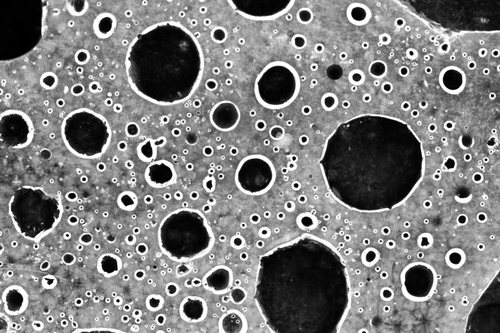
Cancer cells. Photo: Depositphotos.com

See more DutchNews articles in your Google search results

See more DutchNews articles in your Google search results

Add as a favourite source on Google Add DutchNews as a favourite source on Google

Cancer cells. Photo: Depositphotos.com

Around 100 women in the Netherlands die every year because they did not undergo the five-yearly test for cervical cancer, the public health institute RIVM has told the AD.

Women in the Netherlands between the ages of 30 and 60 are called up for a test every five years but only 60% of those invited for the screening in the past two years actually turned up.

According to the RIVM, between 120 and 150 women who do not have a cervical smear test will die of cervical cancer every year. Of them about 70% die because they did not have a test, or had one too late.

Cancer expert Nienke van Trommel told the AD: ‘There is a very good chance of beating cervical cancer with this test. So many women are dying unnecessarily.’

In June, the RIVM said the sharp drop in the number of teenage girls having vaccinations against cervical cancer could lead to up 80 extra deaths a year.

More than half the girls called up last year failed to turn up, and just 45.5% were given the vaccination against the HPV virus, which can cause cervical cancer and is spread by sexual contact, the RIVM said.

The number of girls being vaccinated has now gone down 15% over two years. The RIVM said this is ‘extremely worrying’ and a further drop is likely this year.

Share this article Add DutchNews to Google
  • Facebook
  • Twitter
  • LinkedIn
  • Reddit
  • Copy URL
Health
Thank you for donating to DutchNews.nl.

We could not provide the Dutch News service, and keep it free of charge, without the generous support of our readers. Your donations allow us to report on issues you tell us matter, and provide you with a summary of the most important Dutch news each day.

Make a donation
Latest
Show more
Jetten likely to apologise to Moluccans at unveiling of monument
Archaeologists uncover the Netherlands’ largest Roman bathhouse
Over a million Dutch now rely only on social media for news
Meat sector vows to end foreign worker abuse to avoid ban
De Leede stars but Bangladesh edge Dutch women in World Cup
NewsHomeEconomyPoliticsArt and cultureSportEuropeSocietyEnvironmentHealthHousingEducation
Life in the NetherlandsLatestOpinionBooksTravel10 QuestionsLearning DutchInburgering with DNFood & DrinkAsk us anything
Partner content
Advertise
About usDonateTeamAdvertiseContact usWriting for Dutch NewsPrivacyNewsletter
© 2026 DutchNews | Cookie settings

Help us to keep providing you with up-to-date news about this month's Dutch general election.

Our thanks to everyone who donates regularly to Dutch News. It costs money to produce our daily news service, our original features and daily newsletters, and we could not do it without you.

If you have not yet made a donation, or did so a while ago, you can do so via these links

The DutchNews.nl team

Donate now

Dutchnews Survey

Please help us making DutchNews.nl a better read by taking part in a short survey.

Take part now