Fewer teenage girls given anti-cervical cancer vaccine, health institute warns
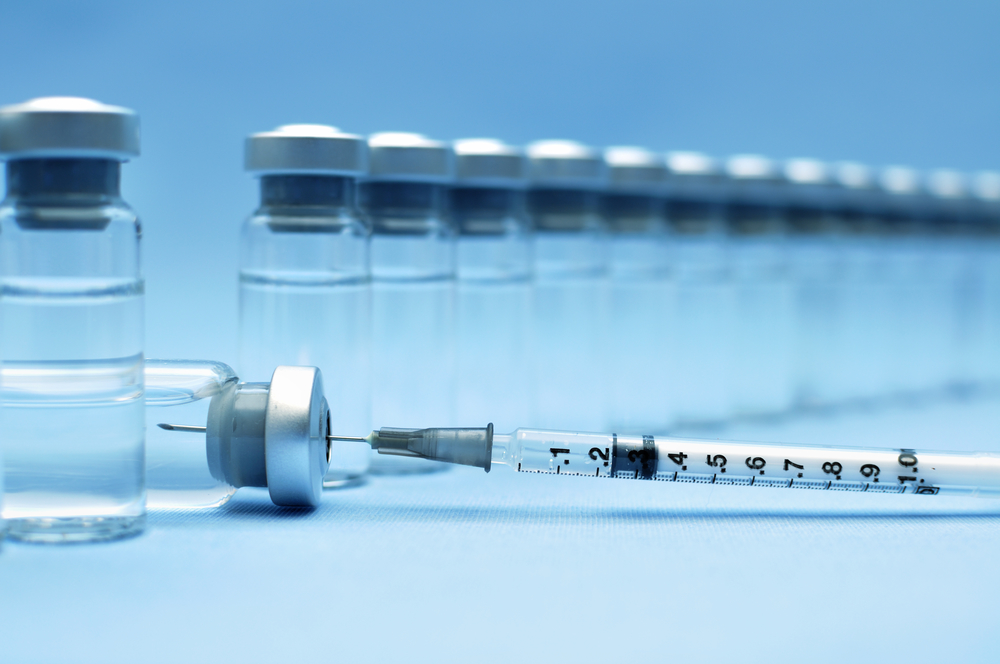
 The sharp drop in the number of teenage girls having vaccinations against cervical cancer could lead to up 80 extra deaths a year, the public health institute RIVM said on Monday.
More than half the girls called up last year failed to turn up, and just 45.5% were given the vaccination against the HPV virus, which can cause cervical cancer and is spread by sexual contact, the RIVM said.
The number of girls being vaccinated has now gone down 15% over two years. The RIVM said this is ‘extremely worrying’ and a further drop is likely this year.
Hans van Vliet, who is in charge of the state vaccination programme, said it is high time the government makes it clear what the consequences of cervical cancer can be.
‘Illnesses which could be prevented continue to exist because of all sorts of wrong ideas,’ Van Vliet said. ‘Cancer is a terrible disease. We have a good vaccine against it, which costs nothing, and still people don’t use it.’
The vaccination has been offered to 13 and 14-year-old girls in the Netherlands since 2009. Some 200 women in the Netherlands die of cervical cancer every year.
In 2015, Dutch scientists said they had failed to find a link between the vaccination and extreme fatigue in teenage girls.
Other vaccinations given to children in the Netherlands have a take-up rate of over 90%, but that total too has dropped from 95% over the past five years.
The World Health Organisation says a vaccination rate of 95% is key to guaranteeing group immunity from diseases like measles.
Thank you for donating to DutchNews.nl.
We could not provide the Dutch News service, and keep it free of charge, without the generous support of our readers. Your donations allow us to report on issues you tell us matter, and provide you with a summary of the most important Dutch news each day.
Make a donation