DutchNews.nl - DutchNews.nl brings daily news from The Netherlands in English

30 January 2026
Newsletter Donate Advertise
  • News
  • Life in the Netherlands
  • Jobs
  • Podcast
  • About us
  • Search
  • Home
  • Economy
  • Politics
  • Art and culture
  • Sport
  • Europe
  • Society
  • Environment
  • Health
  • Housing
  • Local elections
  • News
    • Home
    • Economy
    • Politics
    • Art and culture
    • Sport
    • Europe
    • Society
    • Environment
    • Health
    • Housing
    • Local elections
  • Life in the Netherlands
    • Latest
    • Opinion
    • Books
    • Travel
    • 10 Questions
    • Learning Dutch
    • Inburgering with DN
    • Food & Drink
    • Ask us anything
  • Jobs
  • Podcast
  • About us
    • Team
    • Donate
    • Advertise
    • Writing for Dutch News
    • Contact us
    • Privacy
    • Newsletter
  • Search

Dutch bee count creates a buzz, organisers surprised as 3,500 take part
April 23, 2018
Photo: Depositphotos.com

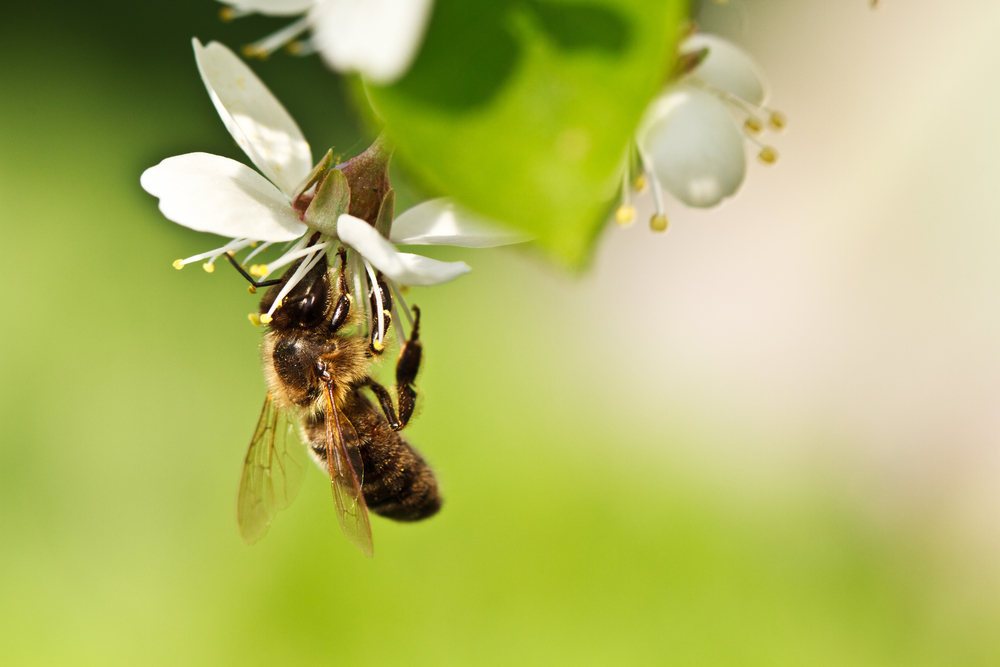
Some 3,500 people took part in this weekend’s mass bee count in an effort to establish the health of the Netherlands’ bee population.

In total, the bee spotters recorded 36,000 bees, of which the honey bee was the most common. The red mason bee (Osmia bicornis) came in second place and the bumble bee, or hommel in Dutch, was third.

‘We did not expect so many people to take part,’ Marchien de Ruiter, spokeswoman for the organisers, told broadcaster NOS. ‘It can be pretty tricky to count bees and separate the different types.’

Some 20 different species of bee can be spotted in Dutch gardens in April and May.

Given this was the first national bee count, it is difficult to say what the figures mean for the bee population. ‘We’ll only be able to spot trends after a few years,’ De Ruiter said.

The count was organised by a string of environmental organisations. There are almost 360 different species of bee in the Netherlands and half of them are threatened. Yet bees are responsible for pollinating 80% of the edible crops grown in the Netherlands.

Share this article
  • Facebook
  • Twitter
  • LinkedIn
  • Reddit
  • Copy URL
Society
Thank you for donating to DutchNews.nl.

We could not provide the Dutch News service, and keep it free of charge, without the generous support of our readers. Your donations allow us to report on issues you tell us matter, and provide you with a summary of the most important Dutch news each day.

Make a donation
Latest
Show more
Coalition MPs back leaders' plans, ready to "get down to work"
Women hit by Utrecht police officer make formal complaint
Last year was very sunny and warm, emphasising climate change
Short sighted: Most kids' glasses are not covered by insurance
Stand in Mark Rutte's shoes: signed sneakers up for auction
NewsHomeEconomyPoliticsArt and cultureSportEuropeSocietyEnvironmentHealthHousingLocal elections
Life in the NetherlandsLatestOpinionBooksTravel10 QuestionsLearning DutchInburgering with DNFood & DrinkAsk us anything
About usTeamDonateAdvertiseWriting for Dutch NewsContact usPrivacyNewsletter
© 2026 DutchNews | Cookie settings

Help us to keep providing you with up-to-date news about this month's Dutch general election.

Our thanks to everyone who donates regularly to Dutch News. It costs money to produce our daily news service, our original features and daily newsletters, and we could not do it without you.

If you have not yet made a donation, or did so a while ago, you can do so via these links

The DutchNews.nl team

Donate now

Dutchnews Survey

Please help us making DutchNews.nl a better read by taking part in a short survey.

Take part now
