DutchNews.nl - DutchNews.nl brings daily news from The Netherlands in English

26 December 2025
Newsletter Donate Advertise
  • News
  • Life in the Netherlands
  • Jobs
  • Podcast
  • About us
  • Search
  • Home
  • Economy
  • Election 2025
  • Art and culture
  • Sport
  • Europe
  • Society
  • Environment
  • Health
  • Housing
  • Education
  • News
    • Home
    • Economy
    • Election 2025
    • Art and culture
    • Sport
    • Europe
    • Society
    • Environment
    • Health
    • Housing
    • Education
  • Life in the Netherlands
    • Latest
    • Opinion
    • Books
    • Travel
    • 10 Questions
    • Learning Dutch
    • Inburgering with DN
    • Food & Drink
    • Ask us anything
  • Jobs
  • Podcast
  • About us
    • Team
    • Donate
    • Advertise
    • Writing for Dutch News
    • Contact us
    • Privacy
    • Newsletter
  • Search

Agricultural revolution sees six out of seven farms disappear since 1950
February 27, 2017
Photo: Depositphotos.com

The Dutch farming sector has been transformed since the war by massive consolidation that has seen six out of every seven farms disappear, new figures show.

A study by the CBS confirmed that large-scale agribusinesses now dominate the sector. The average pig farm in 2017 had 1,600 animals, against a figure of seven in 1950. Similarly, cattle farmers now have an average herd of nearly 160 cows, compared to 13 in 1950.

Overall the Netherlands has 55,000 farming businesses, cultivating a total area of 1.8 million hectares. Both the number of farms and the total land area have shrunk since 1950, when there were 410,000 farms working 2.3 million hectares overall.

The number of sheep has declined sharply from a peak of 2 million in 1992 to around 780,000, slightly fewer than in the early 1980s. Pig farming declined during a swine fever outbreak around the millennium, when the number dropped from 15 million to 11.4 million, but has since recovered to 12.5 million.

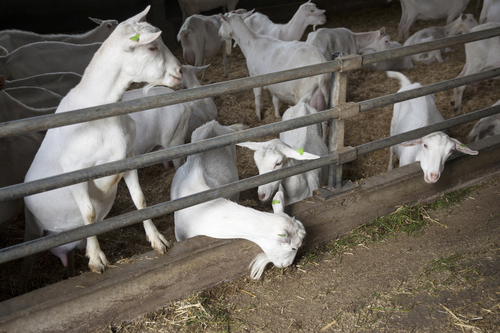
Dairy goats have been a growth sector, having been introduced in the mid-eighties after quotas for cows’ milk were set. There are currently half a million goats on dairy farms. Poultry numbers fell slightly in 2016 to 2.4 million, following the bird flu outbreak.

The decline in the number of farms and mechanisation mean there are far fewer jobs in the sector than in 1950: in 2016 172,000 people worked in agriculture, as against 580,000 after the war.

Share this article
  • Facebook
  • Twitter
  • LinkedIn
  • Reddit
  • Copy URL
Economy
Thank you for donating to DutchNews.nl.

We could not provide the Dutch News service, and keep it free of charge, without the generous support of our readers. Your donations allow us to report on issues you tell us matter, and provide you with a summary of the most important Dutch news each day.

Make a donation
Latest
Show more
Dutch king reflects on children, community in Christmas message
Sunny but bitterly cold Christmas, milder weekend with cloud
NL joins others in condemning Israeli West Bank expansion
Coalition talks stop for the holidays, leaders are optimistic
Month ban looms for Uber Eats in Amsterdam for illegal riders
NewsHomeEconomyElection 2025Art and cultureSportEuropeSocietyEnvironmentHealthHousingEducation
Life in the NetherlandsLatestOpinionBooksTravel10 QuestionsLearning DutchInburgering with DNFood & DrinkAsk us anything
About usTeamDonateAdvertiseWriting for Dutch NewsContact usPrivacyNewsletter
© 2025 DutchNews | Cookie settings

Help us to keep providing you with up-to-date news about this month's Dutch general election.

Our thanks to everyone who donates regularly to Dutch News. It costs money to produce our daily news service, our original features and daily newsletters, and we could not do it without you.

If you have not yet made a donation, or did so a while ago, you can do so via these links

The DutchNews.nl team

Donate now

Dutchnews Survey

Please help us making DutchNews.nl a better read by taking part in a short survey.

Take part now