DutchNews.nl - DutchNews.nl brings daily news from The Netherlands in English

23 December 2025
Newsletter Donate Advertise
  • News
  • Life in the Netherlands
  • Jobs
  • Podcast
  • About us
  • Search
  • Home
  • Economy
  • Election 2025
  • Art and culture
  • Sport
  • Europe
  • Society
  • Environment
  • Health
  • Housing
  • Education
  • News
    • Home
    • Economy
    • Election 2025
    • Art and culture
    • Sport
    • Europe
    • Society
    • Environment
    • Health
    • Housing
    • Education
  • Life in the Netherlands
    • Latest
    • Opinion
    • Books
    • Travel
    • 10 Questions
    • Learning Dutch
    • Inburgering with DN
    • Food & Drink
    • Ask us anything
  • Jobs
  • Podcast
  • About us
    • Team
    • Donate
    • Advertise
    • Writing for Dutch News
    • Contact us
    • Privacy
    • Newsletter
  • Search

Holidaymakers warned not to bring back olive trees from Italy
June 17, 2016
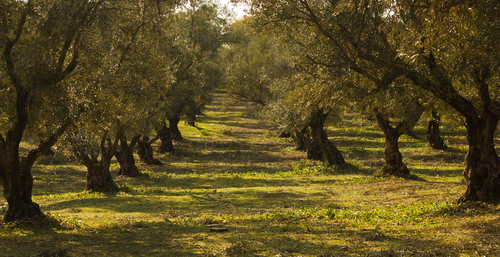
Thousands of olive trees have been destroyed. Photo: Depositphotos.com

Dutch farmers’ association LTO is warning holidaymakers not to bring home olive tree cuttings if they spend time in Italy and France this summer because of the risk of importing a bacteria which is killing the trees.

The xylella fastidiosa bacteria has destroyed 2,800 square kilometres of olive groves in Italy since it began spreading in 2013, the organisation says. The disease, known as leaf scorch, has also been spotted in Corsica and Nice.

Although the bacteria attacks olive trees it will also affect some 200 other sorts of plants, making it a risk to the Netherlands as well, LTO spokesman Jan Veltmans told broadcaster Nos. Oleander and plum fruit plants are also susceptible.

The EU regards the bacteria as one of the ‘most dangerous‘ in the world and says its impact on agriculture is huge.

If the bacteria is detected, under EU rules all plants within 100 metres of the infected tree have to be destroyed. In addition, the area is subject to a 10-kilometre buffer zone in which no plants can be moved for a five-year period.

‘Imagine that something happens in Aalsmeer,’ Veltmans said. ‘Then the entire plant auction system would be closed down for five years.’

The LTO, economic affairs ministry and product safety authority VWA have produced a brochure warning tourists of the risks.

Share this article
  • Facebook
  • Twitter
  • LinkedIn
  • Reddit
  • Copy URL
Economy
Thank you for donating to DutchNews.nl.

We could not provide the Dutch News service, and keep it free of charge, without the generous support of our readers. Your donations allow us to report on issues you tell us matter, and provide you with a summary of the most important Dutch news each day.

Make a donation
Latest
Show more
3M to pay Westerschelde businesses over PFAS pollution
iDeal to disappear as European payment system Wero rolls out
Bell peppers top list for pesticide residues on vegetables
Shock and distress in Nunspeet after parade crash injures nine
Dutch urged to wait and see on parcel surcharge after EU moves
NewsHomeEconomyElection 2025Art and cultureSportEuropeSocietyEnvironmentHealthHousingEducation
Life in the NetherlandsLatestOpinionBooksTravel10 QuestionsLearning DutchInburgering with DNFood & DrinkAsk us anything
About usTeamDonateAdvertiseWriting for Dutch NewsContact usPrivacyNewsletter
© 2025 DutchNews | Cookie settings

Help us to keep providing you with up-to-date news about this month's Dutch general election.

Our thanks to everyone who donates regularly to Dutch News. It costs money to produce our daily news service, our original features and daily newsletters, and we could not do it without you.

If you have not yet made a donation, or did so a while ago, you can do so via these links

The DutchNews.nl team

Donate now

Dutchnews Survey

Please help us making DutchNews.nl a better read by taking part in a short survey.

Take part now