DutchNews.nl - DutchNews.nl brings daily news from The Netherlands in English 29 May 2026
Newsletter Donate Advertise
  • News
  • Life in the Netherlands
  • Jobs
  • Partner content
  • Podcast
  • Advertise
  • About us
  • Search
  • Home
  • Economy
  • Politics
  • Art and culture
  • Sport
  • Europe
  • Society
  • Environment
  • Health
  • Housing
  • Education
  • News
    • Home
    • Economy
    • Politics
    • Art and culture
    • Sport
    • Europe
    • Society
    • Environment
    • Health
    • Housing
    • Education
  • Life in the Netherlands
    • Latest
    • Opinion
    • Books
    • Travel
    • 10 Questions
    • Learning Dutch
    • Inburgering with DN
    • Food & Drink
    • Ask us anything
  • Jobs
  • Partner content
  • Podcast
  • Advertise
  • About us
    • Donate
    • Team
    • Advertise
    • Contact us
    • Writing for Dutch News
    • Privacy
    • Newsletter
  • Search

Cancer death rate drops but lung cancer remains biggest killer

September 2, 2016

See more DutchNews articles in your Google search results

See more DutchNews articles in your Google search results

Add as a favourite source on Google Add DutchNews as a favourite source on Google
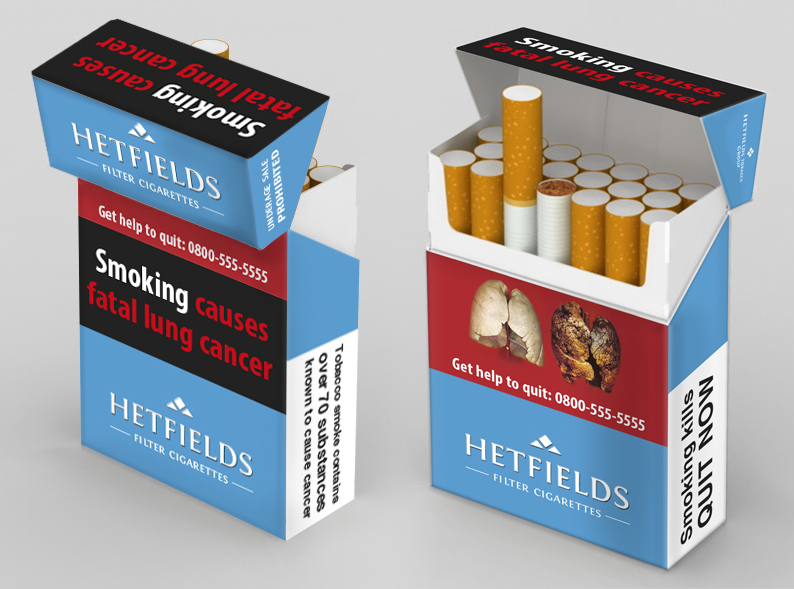
Photo: Europa.eu
Photo: Europa.eu

The number of men dying from cancer in the Netherlands has gone down by one third since the 1990s, while deaths among women are down one third since the 1950s but has now leveled off, according to new figures from the national statistics office CBS.

The number of cancer-related deaths among men peaked in the 1980s, and since then many men have stopped smoking and started living in a more healthy way. Prevention has also played a part, Haiko Bloemendal, chairman of the Dutch cancer specialists association, told broadcaster NOS.

‘Society is much more focused [on the issue] and national screening programmes help us to identify cancer more quickly,’ he said. Improvement in treatment methods have also had a role, he said.

Survival rates for different forms of cancer have also improved. For example, in the 1950s, stomach cancer was responsible for 30% of male cancer deaths. This has now gone down to around 3%. The percentage of women dying of stomach cancer has dropped from 22% to 2%.

Cancer accounts for 34% of male deaths and lung cancer remains the biggest killer, accounting for one in four cancer-related deaths.

One in four women will die of cancer. Lung cancer has now outstripped breast cancer as the biggest killer of women, accounting for 21% of cancer deaths.

Share this article Add DutchNews to Google
  • Facebook
  • Twitter
  • LinkedIn
  • Reddit
  • Copy URL
Health
Thank you for donating to DutchNews.nl.

We could not provide the Dutch News service, and keep it free of charge, without the generous support of our readers. Your donations allow us to report on issues you tell us matter, and provide you with a summary of the most important Dutch news each day.

Make a donation
Latest
Show more
Lockdown delays likely cost lives, coronavirus inquiry hears
Record temperatures this spring, but heavy rain is to come
Amsterdam's plan to build a giant erotic centre is scrapped
Prosecutors seek €8m in drug money from Quincy Promes
More homes get building permits but fewer are built: CBS
NewsHomeEconomyPoliticsArt and cultureSportEuropeSocietyEnvironmentHealthHousingEducation
Life in the NetherlandsLatestOpinionBooksTravel10 QuestionsLearning DutchInburgering with DNFood & DrinkAsk us anything
Partner content
Advertise
About usDonateTeamAdvertiseContact usWriting for Dutch NewsPrivacyNewsletter
© 2026 DutchNews | Cookie settings

Help us to keep providing you with up-to-date news about this month's Dutch general election.

Our thanks to everyone who donates regularly to Dutch News. It costs money to produce our daily news service, our original features and daily newsletters, and we could not do it without you.

If you have not yet made a donation, or did so a while ago, you can do so via these links

The DutchNews.nl team

Donate now

Dutchnews Survey

Please help us making DutchNews.nl a better read by taking part in a short survey.

Take part now